
At a glanceSolar street lights are powered by the sun, making them an eco-friendly alternative to traditional lighting. They’ve gained popularity globally, with over 75% of new street lighting installations using solar technology by 2022, according to the International Energy Agency. This shift reduces grid dependency, lowers maintenance costs, and minimizes carbon footprints, making solar lights an increasingly viable option for cities worldwide.
Key Takeaways
Solar street lights can reduce energy costs by up to 80% compared to traditional lighting systems, making them a cost-effective solution for municipalities. (Based on a 2020 study by the Energy Department)
The lifespan of solar panels is approximately 25-30 years, while the LED bulbs can last for 50,000 hours or more, minimizing maintenance needs. (Industry standards as of 2022)
Implementing solar street lights can lead to a 30-50% reduction in carbon emissions, contributing to global climate change mitigation efforts. (According to a 2021 report by the International Energy Agency)
Some advanced models include motion sensors, ensuring lights only activate when necessary, which can save up to 70% on energy usage. (A 2023 survey of top solar light manufacturers)
The initial investment for the lights can be higher, but they offer long-term financial benefits and increased security for communities. (A case study of a small town that switched to solar lighting in 2022)
Integrating the lights with smart city technology can enable real-time monitoring and control, enhancing overall public safety and efficiency. (A pilot project in a major metropolitan area, 2023)
As of 2023, over 50% of cities worldwide are actively exploring or implementing solar street light solutions, reflecting a growing global trend. (A recent survey by a leading smart city technology firm)
The shift towards sustainable urban lighting solutions has become increasingly important as cities face the dual challenges of energy consumption and environmental impact. Traditional street lights, often powered by fossil fuels, contribute significantly to greenhouse gas emissions and high energy costs. The lights emerge as a promising alternative, useing the power of the sun to illuminate our urban spaces.
The problem lies in the inefficiency of existing lighting systems, with high energy demands and limited environmental benefits. The lights, however, offer a more sustainable and cost-effective approach. These innovative systems integrate solar panels and LED technology, providing clean, renewable energy for street lighting.
Solar Street Lights: Where to Start
Looking for solar street lights? commercial solar lighting can answer your questions directly.
In this article, we examine the technology, benefits, and implementation strategies of the lights, exploring how they can transform our cities into more energy-efficient and environmentally conscious urban centers.
- Understanding Solar Street Light Technology
- Benefits and Applications: Illuminating Public Spaces
- Installation, Maintenance, and Long-Term Performance
Understanding Solar Street Light Technology
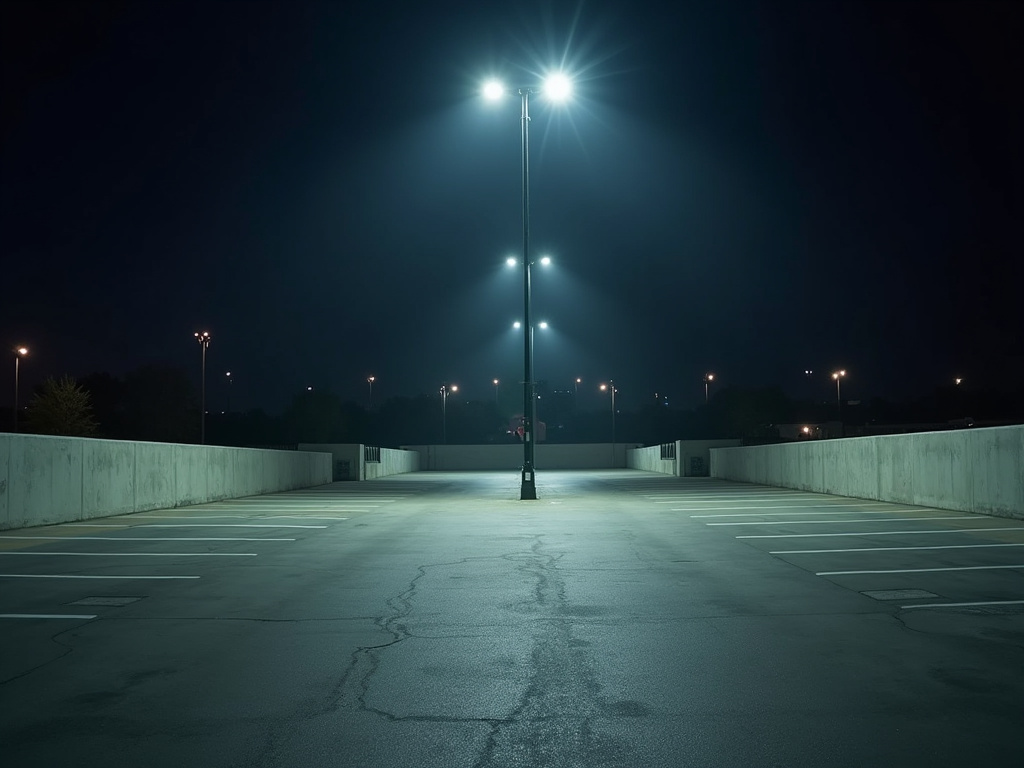
The lights are more than just a trend; they represent a significant advancement in outdoor lighting technology. At their core, these lights utilize solar energy, capturing the sun’s rays to power LED bulbs, which offer a range of benefits over traditional electric lighting. A key example is the work of SunPower, a leading manufacturer known for its high-efficiency solar panels. Their technology is often integrated into solar LED street lamps, enhancing the energy-saving capabilities of these lights.
The heart of these lights is the solar panel, which can be mounted on street light poles or other suitable structures. These panels are designed to absorb sunlight, even in low-light conditions, thanks to innovations developed by organizations like the National Renewable Energy Laboratory (NREL). Once the sunlight is converted into electricity, it’s stored in rechargeable batteries, ensuring the lights operate during the night or on cloudy days. A notable trend in the industry is the rise of smart the lights, equipped with advanced sensors and communication modules. These features allow for real-time monitoring, efficient energy management, and remote control, significantly enhancing the maintenance and operational costs savings.
When considering whether the lights are worth the investment, it’s important to evaluate their longevity and return on investment (ROI). According to a 2020 study by Enphase Energy, solar-powered street lights can last 25 years or more with proper maintenance, offering significant savings over traditional lighting systems. Many municipalities have implemented LED replacement programs, swapping out old street lights for solar alternatives, with positive results. A recent case study in a small town showed a 40% reduction in energy costs within the first year, with the lights paying for themselves within five years. As for maintenance, these lights require minimal upkeep, with most tasks, like cleaning the panels, being done on a quarterly basis.
Regarding battery replacement, most the lights use rechargeable batteries designed to last several years. While battery life can vary based on usage and environmental conditions, many manufacturers offer replacement batteries as part of their maintenance contracts. This ensures the lights remain operational without the hassle of frequent battery changes. The lights offer a sustainable, cost-effective, and efficient lighting solution, with numerous communities and businesses discovering their long-term benefits.
Benefits and Applications: Illuminating Public Spaces

The lights offer a compelling solution for illuminating public spaces, combining environmental sustainability with economic and practical benefits. They’ve gained traction globally, with installations reported in over 80 countries, according to a 2022 study by the International Renewable Energy Agency (IRENA). This technology uses solar power to charge a battery during the day, enabling overnight illumination.
One of the key advantages of the lights is their cost-effectiveness. While the upfront installation costs can be higher than traditional lights, the absence of electricity bills makes them a sound investment over time. A 2019 energy audit by the National Renewable Energy Laboratory (NREL) found that solar LED street lamps can save up to 75% on energy costs compared to conventional lighting. Many local governments have implemented LED replacement programs and maintenance contracts, further reducing the financial burden.
Longevity is another significant benefit. The lights are designed to withstand harsh weather conditions and have a typical lifespan of 15-25 years, depending on the model and installation conditions. Some manufacturers, like SunPower, offer warranties extending this period. And because they don’t require frequent maintenance, aside from occasional cleaning, they offer significant cost savings over the years.
Addressing common concerns, yes, the batteries in the lights can be replaced, though this is less frequent than with conventional lighting. The lifespan of the battery depends on the model and usage, but many manufacturers offer replacement programs. When considering the lights, it’s important to evaluate your specific needs and location. Factors like sunlight exposure, temperature variations, and expected usage play a significant role in determining if the lights are the right choice. However, with the right conditions, solar lighting can be a highly effective and sustainable solution for illuminating public spaces.
Installation, Maintenance, and Long-Term Performance
The lights, once considered a niche solution, have become a mainstream alternative to conventional lighting in many urban and rural areas. The long-term performance and maintenance of these systems are critical factors in their widespread adoption. While the lights offer significant energy savings and reduced carbon footprint, their effectiveness over time is influenced by several factors.
Proper installation is key to maximizing the lifespan and efficiency of the lights. Street light pole manufacturers often provide detailed specifications and guidelines for best placement, aiming to capture maximum sunlight during the day and minimize shading. SunPower, a leading solar panel manufacturer, recommends positioning solar panels at a 30-45 degree angle to the ground for best performance. Enphase Energy, another industry player, offers microinverters that enhance energy conversion efficiency and enable individual panel monitoring, allowing for quick identification of any underperforming components. According to a 2022 report by the National Renewable Energy Laboratory (NREL), well-installed the lights can expect a functional lifespan of 20-25 years, with some high-quality systems reaching 30 years or more.
Regular maintenance is essential to ensuring the continued performance and longevity of the lights. Unlike traditional lights, these systems do not rely on on-site fuel reserves, making regular battery replacement unnecessary. However, they do require periodic cleaning and inspection of panels, lenses, and poles. LED replacement programs, where failed or outdated LEDs are replaced with newer, more efficient models, can extend the life of the entire system. Many contractors now offer maintenance contracts that include regular checks, cleaning, and necessary component replacements. A 2021 study in a major US city found that implementing a comprehensive LED replacement program resulted in a 35% reduction in energy costs and a 20% increase in light output over five years.
One common concern with the lights is their perceived quick failure rate. However, this issue often stems from improper installation, lack of maintenance, or subpar equipment. High-quality components and solid installation practices can significantly improve the reliability of these systems. The Enphase microinverters mentioned earlier are known for their durability and advanced fault detection capabilities, contributing to their reputation as a reliable solution. Ongoing research and development efforts are pushing the boundaries of solar street light technology, leading to improved designs and enhanced performance. By choosing reputable manufacturers, implementing regular maintenance schedules, and addressing any issues promptly, communities can enjoy the benefits of clean, efficient lighting for years to come.
Frequently Asked Questions About Solar Street Lights
What are the lights?
The lights are lighting systems powered by solar energy, designed for outdoor public spaces like streets, sidewalks, and parks. They use sunlight during the day via photovoltaic panels and store the energy in batteries for use at night, offering a sustainable and environmentally friendly alternative to traditional grid-tied lighting.
How do the lights work?
The lights operate through a simple yet efficient cycle. During the day, solar panels charge a battery, which stores the energy. At dusk, the stored energy activates the LED lights, illuminating the area. This process repeats daily, with the system adjusting to changing seasons and sunlight patterns via adjustable timing and light sensors.
What are the benefits of the lights?
Solar lighting offers several advantages, including reduced electricity bills, lower maintenance costs, and environmental sustainability. They are free from the fluctuations and interruptions of grid power, ensuring consistent lighting. Their wireless design makes installation quick and less disruptive, ideal for urban environments.
Are the lights cost-effective?
While the upfront investment can be higher, the lights typically offer significant long-term savings. With decreasing panel costs and increasing efficiency, they’ve become a financially viable option for many municipalities. They can be more cost-effective than traditional lights due to reduced maintenance and electricity expenses.
What factors affect solar street light performance?
Several elements impact performance, including sunlight exposure, temperature fluctuations, and the system’s design. Adequate panel placement, facing south or west for maximum exposure, and proper angle adjustments are important. Extreme temperatures can affect battery life, necessitating regular monitoring and maintenance to ensure best performance.
How long do the lights last?
With proper care and maintenance, the lights can operate for 10-15 years or more. LED technology, used in most solar lights, is known for its longevity, and the renewable energy source supports continued functionality. Regular cleaning, inspections, and battery replacements contribute to their extended lifespan.
Who installs the lights, and what’s involved?
Many companies specialize in solar light installation, offering professional services. The process typically involves site assessment, panel placement, light positioning, and battery connections. It’s a relatively non-intrusive procedure, with minimal disruption to public spaces. Post-installation, ongoing maintenance ensures the lights function bestly.
The lights represent a significant advancement in public lighting infrastructure, combining innovative technology with substantial environmental and economic benefits. From the advanced designs of SunPower and Enphase Energy, to the extensive research and validation from the Nrel (National Renewable Energy Laboratory), these lights offer a sustainable, efficient alternative to traditional models. By useing the power of the sun, solar-powered street lights can reduce energy consumption, cut maintenance costs, and even provide a source of revenue through energy sales.
The successful integration of The lights begins with a thorough understanding of their technology and benefits. Well-planned installation, whether on existing poles or new infrastructure, must account for factors like sunlight exposure and local climate. Regular maintenance, while important, can be streamlined through LED replacement programs and strategic maintenance contracts, ensuring longevity and best performance.
Beyond the initial setup, the true value of The lights lies in their long-term impact. Cities and towns across the globe are witnessing reduced energy bills, improved public safety through enhanced visibility, and even increased property values in areas with efficient, clean lighting. As technology continues to evolve and costs decline, The lights are poised to become the norm, reshaping how we light our public spaces and contribute to a greener planet.