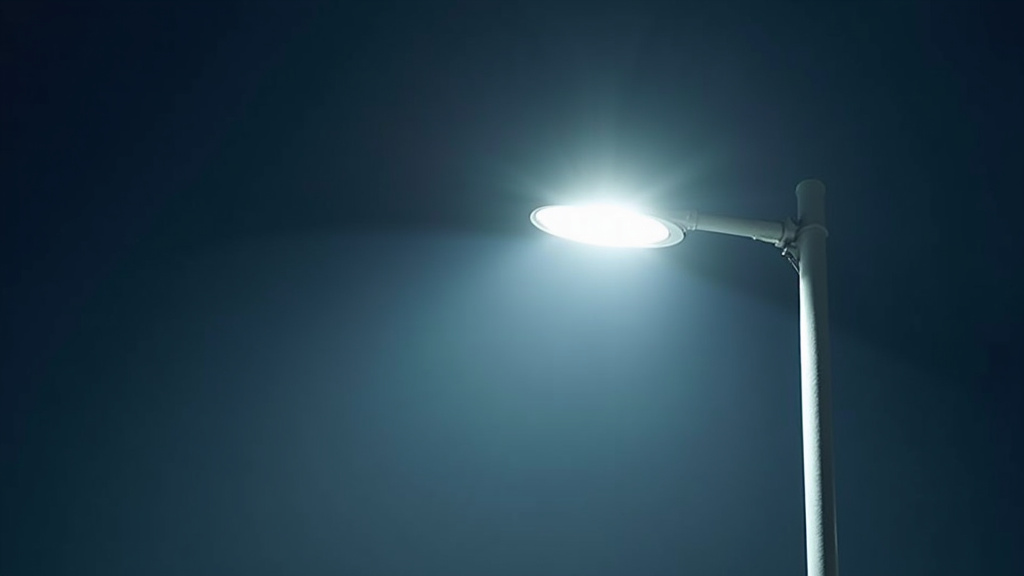
At a glanceSolar street lights harness the power of the sun to illuminate public spaces, reducing reliance on traditional electricity grids and offering an eco-friendly solution for sustainable lighting. They are cost-effective, easy to maintain, and contribute to a cleaner environment by lowering carbon footprints.
Key Takeaways
- Solar street lights offer a sustainable and cost-effective alternative to traditional lighting, reducing energy consumption and maintenance needs.
- They are highly efficient, with solar panels charging batteries during the day, providing bright illumination at night.
- Installation is straightforward, requiring minimal infrastructure, making them suitable for various outdoor locations.
- These lights significantly enhance safety and security in remote or underlit areas, improving community well-being.
- The initial cost may be higher, but long-term savings and environmental benefits make them a lucrative investment.
- Regular cleaning and battery maintenance are essential for optimal performance and longevity.
- Solar street lights contribute to a greener environment by reducing carbon footprint and preserving natural resources.
In today’s world, sustainable energy solutions are paramount for a greener future. Among the most promising innovations, Solar Street Lights emerge as a beacon of efficiency and environmental friendliness. Traditional street lighting systems, often reliant on non-renewable resources, contribute significantly to carbon emissions. This has prompted a global shift towards more eco-conscious alternatives, and Solar Street Lights have stepped into the limelight as a leading contender.
The primary challenge lies in the need for reliable, round-the-clock illumination while minimizing energy consumption and maintenance costs. Solar Street Lights offer a sophisticated solution, harnessing the power of the sun to illuminate our urban landscapes, marking a pivotal step towards a more sustainable tomorrow.
Solar Street Lights in : Where to Start
Looking for solar street lights in ? Solar Path USA solar street lights serves the local area and can answer questions specific to .
Understanding Solar Street Lights: Technology & Benefits

Solar Street Lights have emerged as a transformative technology for urban lighting, offering sustainable and cost-effective solutions to traditional street lighting systems. These lights harness the power of the sun through photovoltaic cells, storing energy during the day and releasing it at night, ensuring a reliable and environmentally friendly illumination source. The primary advantage lies in their energy efficiency; by relying on renewable energy, they significantly reduce carbon emissions compared to conventional street lights, contributing to a greener urban environment.
One of the key benefits of Solar Street Lights is their long-term cost savings. While the initial installation may be higher than traditional lighting, the absence of electricity bills makes them a financially prudent choice over time. This is especially evident in remote areas or regions with inconsistent grid power, where Solar Street Lights can provide consistent illumination without reliance on costly and unreliable energy infrastructure. For instance, in developing countries, solar street lighting has become a popular option, not just for its environmental benefits but also for its ability to enhance safety and security through well-lit public spaces.
Before adopting Solar Street Lights, however, it’s essential to consider your location, energy needs, and specific requirements. Questions to ask include: What is the average daily sunlight exposure? Are there any obstructions like trees or buildings that might hinder sunlight reach? How much illumination do you require? Do you need motion sensors for enhanced energy efficiency? Answering these will help determine the most suitable Solar Street Light system. The signs indicating a need for Solar Street Lights include rising electricity costs, frequent power outages, and a desire to reduce environmental impact. If these factors apply, Solar Street Lights could be a game-changer, providing reliable lighting while contributing to a more sustainable future.
Installation & Maintenance: A Step-by-Step Guide

The installation and maintenance of solar street lights offer a sustainable solution to urban lighting needs, with significant environmental and economic benefits. This step-by-step guide delves into the process, ensuring optimal performance and longevity of these renewable energy systems.
When considering solar street light installation, assess your location’s suitability. These lights are ideal for areas with ample sunlight exposure throughout most of the year, typically outdoor spaces not obstructed by tall buildings or trees. A basic understanding of solar technology is beneficial. The panels convert sunlight into electricity, which is stored in batteries during the day and used to power LED fixtures at night. When planning, factor in the lighting requirements for your street or path—lumens, not wattage, measure brightness—and choose a system with the appropriate output.
Hiring professionals for installation is advisable, especially for larger-scale projects, to ensure safety and optimal positioning. Avoid common pitfalls by understanding maintenance needs. Regular cleaning of panels is crucial, removing dust and debris that can impact energy production. Checking battery health annually and replacing components as needed are vital. For instance, a study found that proper maintenance extended the lifespan of solar street lights by up to 50%. Additionally, monitor system performance through regular inspections, ensuring lights operate efficiently and smoothly.
Is solar street lighting worth the investment? Absolutely, with decreasing panel costs and increasing efficiency, these systems offer a long-term solution. While initial setup may be higher than conventional lights, savings on electricity bills and reduced maintenance costs make them economically viable. Moreover, they contribute to a greener environment, reducing carbon emissions, and can enhance community aesthetics, fostering a sense of safety and well-being.
Choosing the Right Solar Street Light: Key Factors to Consider
Choosing the right solar street light involves careful consideration of several key factors. Firstly, assess your lighting needs: Determine the area you want to illuminate, the required lumens, and the type of lighting (e.g., spotlights, floodlights). For instance, a well-lit street corner will need a different setup than a remote rural road. Secondly, evaluate the solar panel efficiency and battery capacity: Higher efficiency panels and larger batteries ensure optimal charging during lower sunlight periods. Look for models with advanced battery management systems for extended lifespan.
When should you hire solar street lights? They are ideal for areas with minimal grid access or where grid power is unreliable. Additionally, consider environmental factors: Location, weather, and lighting conditions will impact performance. For instance, coastal areas may require salt-resistant equipment.
Before hiring, ask questions to ensure the solar street lights meet your requirements. Key inquiries include: What is the average daily sunlight hours in your location? How cold/hot does it usually get? What is the expected lifespan of the equipment? Does the system come with a warranty? What does solar street lights include? Typically, this comprises solar panels, LED lights, batteries, a charge controller, and mounting hardware. Some advanced systems may include motion sensors, remote monitoring, and smart control apps.
According to a 2020 study, solar street lights can reduce electricity bills by up to 75% and significantly lower carbon emissions. By considering these factors, you can select a robust and efficient solar street light system tailored to your specific needs.
Frequently Asked Questions About Solar Street Lights
What are solar street lights?
Solar street lights are lighting systems powered by solar energy, typically installed in public spaces like streets, roads, and parks. They utilize photovoltaic panels to absorb sunlight during the day, storing the energy in batteries for illumination at night. This sustainable approach reduces the need for grid electricity, making them environmentally friendly and cost-effective.
How do solar street lights work?
Solar street lights operate on a simple principle. The panels capture sunlight and convert it into electricity through photovoltaic cells. This energy is stored in rechargeable batteries, which power the LED bulbs at night. The systems often include a charge controller to regulate power flow and ensure the batteries aren’t overcharged or discharged, prolonging their lifespan.
Are solar street lights cost-effective?
Absolutely. While the initial installation cost might be higher than traditional lights, solar street lights offer long-term savings. They eliminate electricity bills and reduce maintenance expenses since they are less prone to damage compared to wired systems. Additionally, many governments and organizations offer incentives for adopting renewable energy solutions, making them even more affordable.
Can solar street lights operate in low-light conditions?
Yes, solar street lights are designed to optimize lighting in various conditions. They are equipped with sensors that detect ambient light levels, automatically switching on at dusk and adjusting brightness as needed. In very low-light scenarios, they may provide a dimmer light, but their primary goal is to offer illumination where it’s needed, enhancing safety and accessibility.
What is the maintenance requirement for solar street lights?
Solar street lights require minimal maintenance. Regular cleaning of the panels is recommended to ensure optimal sunlight absorption. Other than that, the lights are designed to be durable and long-lasting, with few moving parts. Most components are sealed and weatherproof, reducing the risk of damage from the elements. Occasional checks for battery health and panel cleanliness are all that’s typically needed.
Are solar street lights suitable for all environments?
Solar street lights are versatile and can adapt to various environments. They perform well in rural areas with ample sunlight and can also be effective in urban settings, despite the potential for shading from buildings. Proper placement and panel orientation are crucial for optimal performance, ensuring the lights receive direct sunlight for efficient charging.
Solar Street Lights represent a significant advancement in sustainable urban lighting, offering a clean, efficient, and cost-effective alternative to traditional fixtures. By harnessing the power of the sun, these lights not only reduce carbon footprints but also provide reliable illumination, enhancing safety and community aesthetics. Through understanding their technology, careful selection, and proper installation, communities can unlock the full potential of Solar Street Lights, paving the way for a brighter, greener future. Key takeaways include the importance of considering factors like sunlight exposure, battery capacity, and light output, as well as the need for regular maintenance to ensure optimal performance. Embracing this technology is a step towards a more sustainable and resilient urban landscape.