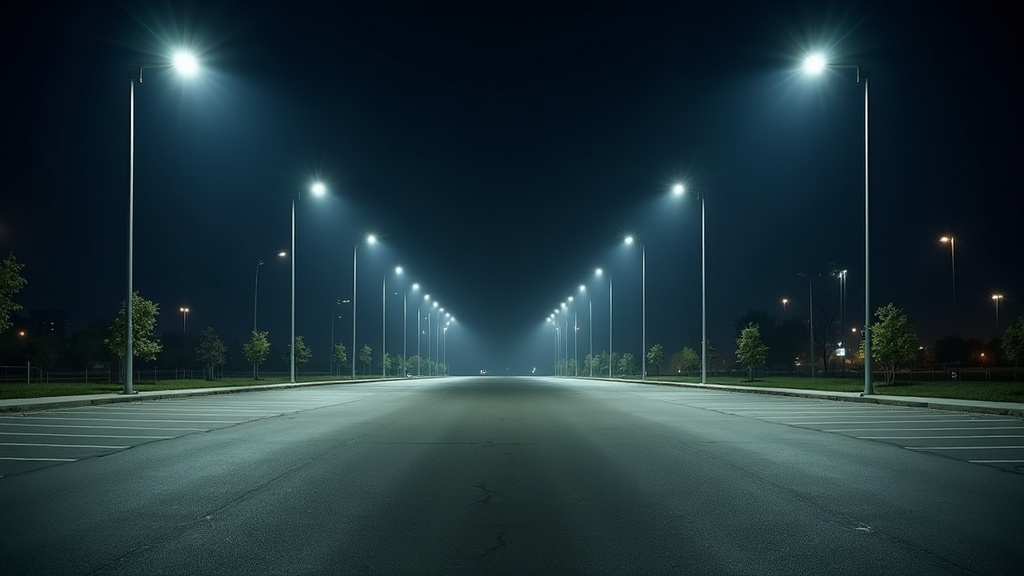
At a glanceSolar street lights harness the power of the sun to illuminate public spaces without electricity. These energy-efficient lights are charged during the day and turn on at night, providing bright, sustainable lighting for sidewalks, roads, and parks while reducing carbon emissions and maintenance costs.
Key Takeaways
- Solar street lights offer a sustainable and cost-effective solution for public lighting infrastructure.
- They significantly reduce energy consumption and carbon footprint compared to traditional illuminated systems.
- The initial installation cost can be offset by long-term savings on electricity bills and maintenance expenses.
- With proper placement and design, solar street lights can enhance safety and security in residential and commercial areas.
- Advanced technology ensures improved light output and efficient energy conversion, even under varying weather conditions.
- Many models incorporate smart features for remote monitoring and control, further optimizing their performance and efficiency.
- They contribute to a more environmentally friendly urban landscape and promote sustainable development practices.
In today’s rapidly evolving urban landscape, efficient and sustainable lighting solutions are more crucial than ever for our cities to thrive. Traditional street lights, often energy-intensive and costly to maintain, have prompted a search for an alternative that offers both environmental stewardship and economic viability. Solar Street Lights emerge as a game-changer in this regard, harnessing the power of the sun to illuminate our streets and enhance safety without placing undue strain on public resources. This article delves into the intricacies of Solar Street Light technology, its benefits, and the transformative impact it can have on our urban environments.
Solar Street Lights in : Where to Start
Looking for solar street lights in ? Solar Path USA solar street lights serves the local area and can answer questions specific to .
Understanding Solar Street Lights: Technology and Benefits
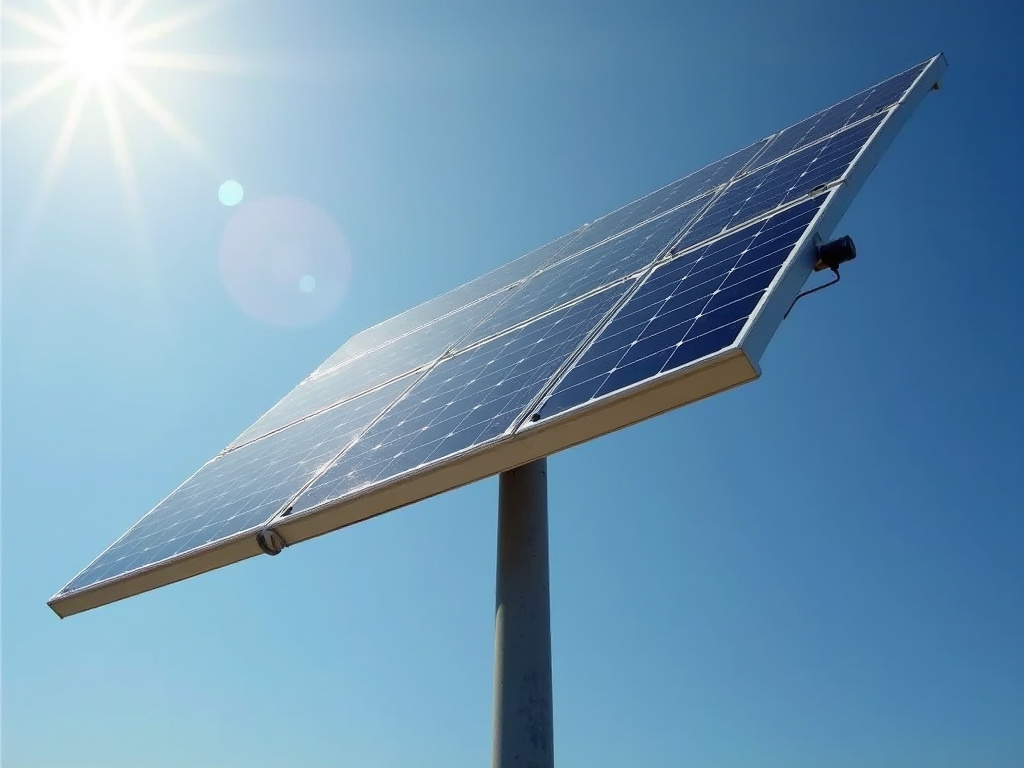
Solar Street Lights have emerged as a transformative solution for public lighting, offering an environmentally friendly alternative to traditional energy-intensive systems. Understanding this technology involves grasping how it leverages solar power to illuminate streets, paths, and public spaces efficiently. Solar Street Lights typically include a variety of components: solar panels that capture sunlight during the day, high-efficiency LED lights that provide robust illumination at night, batteries for energy storage, and a charging controller that optimizes energy transfer from the solar panels to the battery.
The benefits of adopting Solar Street Lights are multifaceted. Primarily, they reduce carbon footprints by significantly lowering energy consumption, as they harness renewable energy from the sun. This sustainability aspect aligns with global efforts to mitigate climate change. Moreover, Solar Street Lights offer cost savings over time, eliminating the need for grid electricity and reducing maintenance expenses compared to conventional lighting systems. For instance, a study conducted in several U.S. cities found that LED street lights, a subset of Solar Street Lights, saved an average of 50-70% on energy costs within five years of installation.
When considering the implementation of Solar Street Lights, several factors come into play. To choose the best solution, it’s crucial to assess your location’s solar exposure, the lighting requirements for the area, and available budget. Questions to ask include: What is the average daily sunlight hours in my region? Do I need lights with adjustable brightness levels? What is the expected lifespan of the equipment? Understanding these aspects ensures that you select a system tailored to your needs. For instance, areas with consistent high solar exposure will require less sophisticated lighting technology than regions with periods of heavy cloud cover. Additionally, incorporating smart controls and monitoring systems can enhance efficiency, allowing for remote adjustments based on real-time weather conditions and usage patterns.
Choosing the Right Solar Street Light: Factors to Consider
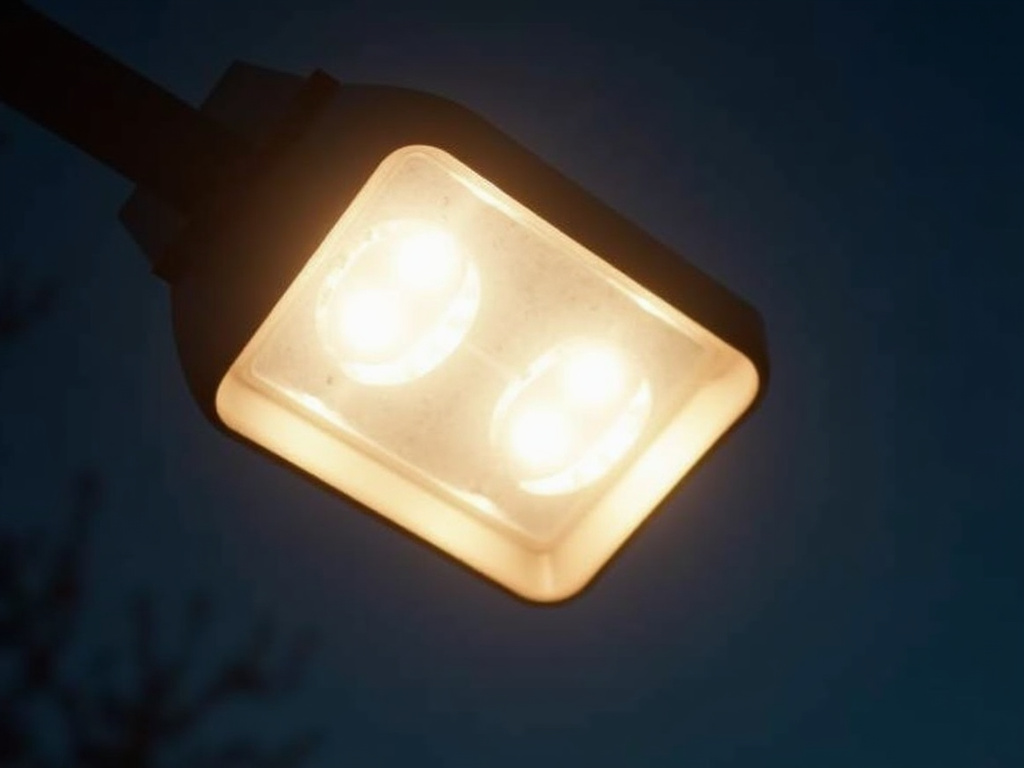
Choosing the right solar street light is a crucial decision for any community or urban planning project aiming to transition to sustainable lighting solutions. The process involves evaluating several factors beyond the initial cost of the lights. Understanding what constitutes an effective solar street light system requires considering environmental conditions, energy yield, and maintenance needs.
First, assess your location’s unique challenges. Factors like climate play a significant role; areas with frequent fog or heavy snowfall require lights designed to withstand harsh weather. For instance, a salt spray test is essential for coastal regions to ensure lights can resist corrosion from salty air. Additionally, consider the lighting requirements based on traffic volume and speed. High-speed roads demand brighter, more powerful lights than residential streets. A good rule of thumb: follow local regulations and consult with experts specializing in solar street light installations.
Next, evaluate energy yield. This depends on factors like panel efficiency and battery capacity. Higher efficiency panels maximize energy absorption from sunlight, while robust batteries ensure uninterrupted lighting during periods of minimal sun exposure. Modern lights often come equipped with advanced sensors that automatically adjust brightness based on ambient light levels, optimizing energy usage. For instance, a study by the U.S. Department of Energy found that well-designed solar street lights can provide cost savings of 50% or more compared to traditional electric lighting.
Lastly, don’t overlook maintenance. While solar street lights require less upkeep than their grid-connected counterparts, regular cleaning and occasional component replacement are still necessary. Some manufacturers offer remote monitoring systems that alert maintenance teams to potential issues, minimizing downtime. Additionally, consider the availability of spare parts and the vendor’s reputation for timely service. Making informed decisions regarding these factors will ensure your solar street light system provides reliable, sustainable illumination for years to come.
Installing and Maintaining Solar Street Lights: A Step-by-Step Guide
Installing and maintaining solar street lights is a sustainable and cost-effective solution for illuminating public spaces. Solar street lights, or what does solar street lights encompass? Essentially, they are lighting fixtures that utilize renewable energy from the sun to power their functions. These lights include a photovoltaic panel, which converts sunlight into electricity during the day, storing it in batteries for use at night. This technology offers an attractive alternative to conventional street lighting, with numerous benefits and considerations.
The process of installing solar street lights involves several key steps. First, site assessment is crucial; identifying locations with adequate sunlight exposure throughout the year. Once ideal spots are determined, the next step is to choose the right equipment, including high-quality panels, LED fixtures, and batteries. Installation itself requires careful planning and precision, ensuring proper alignment for optimal sun capture and lighting coverage. Professional help is often recommended for this stage. Post-installation, regular maintenance is essential for optimal performance. This includes cleaning panels to maintain efficiency, checking battery levels, and replacing any faulty components promptly.
But do you actually need solar street lights? The answer lies in their numerous advantages. Solar street lights offer long-term cost savings compared to traditional lighting, with reduced energy bills and minimal maintenance requirements. They are also environmentally friendly, significantly reducing a community’s carbon footprint. For instance, according to recent studies, transitioning from conventional street lighting to solar can lead to an average 40-70% reduction in greenhouse gas emissions per light pole. Additionally, they provide security and safety benefits with consistent illumination throughout the night.
Is solar street lights worth it? Absolutely, when considering both environmental and economic factors. Despite initial installation costs, the long-term savings, coupled with government incentives and grants available for renewable energy projects, make them a viable investment. Many regions are actively promoting solar street lights as part of their sustainable urban development strategies. For example, cities like San Francisco and London have successfully implemented large-scale solar lighting projects, leading to reduced energy consumption and enhanced public safety. With advancements in technology, these lights continue to improve, offering more efficient designs, longer lifespans, and smarter integration with city infrastructure.
Frequently Asked Questions About Solar Street Lights
What are solar street lights?
Solar street lights are outdoor lighting systems that utilize renewable energy from the sun, converted by photovoltaic (PV) panels, to power LED light sources. They are designed to provide illumination for public spaces and roads without relying on conventional electrical grids.
How do solar street lights work?
These lights capture sunlight during the day through their PV panels, which convert the energy into electricity. This stored energy is then used to power bright LEDs at night, ensuring a consistent light source. The system includes an inverter to convert DC power from the panels to AC power for the bulbs and a battery to store excess energy for use during low-light or no-sun conditions.
Are solar street lights cost-effective?
Absolutely. While the initial installation costs can be higher, solar street lights offer long-term savings by eliminating electricity bills. They are also free from fuel expenses and maintenance is typically minimal, making them a more economical choice over time compared to traditional lighting systems.
What advantages do they offer over conventional street lights?
Solar-powered lights reduce carbon footprints due to their renewable energy source, making them environmentally friendly. They are versatile, suitable for remote areas without access to grid electricity. Additionally, these lights require less maintenance, have a longer lifespan, and can provide consistent lighting with proper care.
How do I maintain solar street lights?
Maintenance is generally straightforward. Regular cleaning of the panels ensures optimal sunlight absorption. Replace any faulty components promptly, such as bulbs or batteries. Annual inspections are recommended to ensure optimal performance, and some models have remote monitoring capabilities for easier management.
Can solar street lights work in all weather conditions?
While these lights are designed to be durable and weather-resistant, extreme conditions can impact their performance. Heavy clouds, fog, or snow can reduce sunlight exposure, affecting battery charging. However, modern panels and batteries are designed to withstand varying climates, ensuring reliable illumination for most environments.
Are solar street lights a sustainable solution?
Yes, they are an excellent example of sustainable urban lighting. By harnessing renewable energy, these lights contribute to energy conservation and reduced greenhouse gas emissions. They also help create more aesthetically pleasing public spaces with consistent and environmentally friendly lighting solutions.
Solar Street Lights represent a significant advancement in sustainable urban lighting solutions. By harnessing the power of the sun, these lights offer not only environmental benefits but also enhanced security and energy efficiency for communities worldwide. Understanding their technology and maximizing their potential starts with choosing the right model based on specific needs and site conditions. Installation involves careful planning and positioning to ensure optimal sunlight exposure, while regular maintenance, though relatively simple, is crucial for longevity. This comprehensive guide equips readers with the knowledge to adopt Solar Street Lights, fostering a greener and more sustainable future.