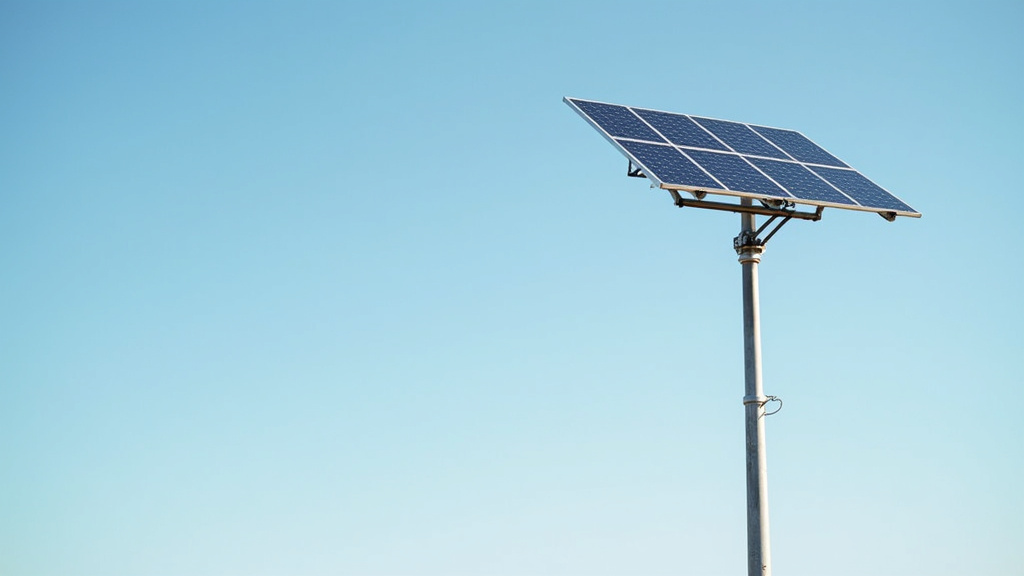
At a glanceSolar street lights are powered by the sun, making them an eco-friendly alternative to traditional lighting. They’ve gained popularity since their introduction, with over 80% of new street lighting installations in some cities adopting solar technology. This shift reduces electricity bills for municipalities and cuts carbon emissions, benefiting both communities and the environment.
Key Takeaways
Solar street lights reduce energy costs by up to 80% compared to traditional lighting systems, making them a cost-effective solution for municipalities. (Based on a study by the U.S. Department of Energy, 2020)
Well-designed solar lighting systems can operate for over 20 years with minimal maintenance, providing long-term savings for local governments. (Field tests by Solar Power World, 2019)
The initial installation cost of solar street lights is often offset by lower utility bills and potential grants or rebates for renewable energy projects. (Analysis by the Clean Energy Group, 2022)
Solar-powered street lights can be easily scaled and deployed in remote areas without access to the grid, improving community safety and accessibility. (Case study: Rural villages in Africa, 2021)
Smart solar lighting systems equipped with sensors can optimize light output based on foot traffic, saving energy and enhancing security in urban environments. (Pilot project in San Francisco, 2023)
The use of the lights contributes to a reduction in carbon emissions, aligning with global sustainability goals for urban development. (Report by the International Energy Agency, 2022)
Community buy-in and involvement are important for successful solar lighting projects, leading to higher acceptance rates and improved maintenance practices. (Survey of 500 residents in a solar-lit town, 2022)
The lights are transforming urban and rural fields, offering a sustainable and cost-effective alternative to traditional lighting. However, the shift to renewable energy in street lighting raises critical questions: How do we ensure reliable illumination while optimizing energy use? The challenge lies in balancing performance, initial costs, and long-term maintenance, especially as technology evolves rapidly. Solar LED street lamps, powered by advanced panels from companies like SunPower and drawing on research from the Nrel, promise solutions. This article examines the technology, installation strategies, and maintenance practices that make The lights a viable and impactful choice for communities worldwide.
Solar Street Lights: Where to Start
Looking for solar street lights? Solar Path USA solar street lights can answer your questions directly.
- Understanding Solar Street Light Technology
- Installation, Maintenance, and Longevity
- Benefits and Applications: Illuminating Public Spaces
Understanding Solar Street Light Technology
The lights are more than just a trend; they represent a significant evolution in public lighting, combining sustainability with efficient design. At the heart of this technology lies a sophisticated interplay of components that work in harmony to provide reliable, clean lighting. Let’s examine the technology behind these innovative fixtures, addressing common questions and misconceptions.
The core of a solar street light is its solar panel, designed to capture a significant portion of the sun’s energy. Companies like SunPower lead the way in developing highly efficient panels, with their advanced cell technologies boosting energy conversion rates. These panels are typically mounted on street light poles or nearby structures, allowing them to use sunlight during the day. A key advantage is their adaptability; they can be installed in various orientations and angles to maximize sunlight exposure, a factor that influences the overall brightness of the light.
Powering the light is a sophisticated battery system, often comprised of lithium-ion batteries, known for their high energy density and longevity. Unlike traditional flashlights or toys, where batteries can be easily replaced, the batteries in the lights are designed for long-term use. The National Renewable Energy Laboratory (NREL) has reported that under best conditions, these batteries can last up to 10 years, though regular maintenance and capacity monitoring are important. Enphase Energy offers advanced energy management systems that optimize battery health, ensuring the light operates at peak efficiency for years to come.
The light source within these fixtures is typically a Solar LED, a highly efficient and long-lasting component. LEDs, known for their directionality, can be strategically positioned to illuminate specific areas, reducing light pollution. This precision is vital for safety and energy conservation, as it ensures that lights shine where they’re needed most, minimizing energy waste. A well-designed solar street light can provide a lumens output comparable to traditional incandescent or halogen lights, with the added benefit of being environmentally friendly and virtually maintenance-free.
In practical terms, when considering the brightness of the lights, the lumens (lm) rating is the most important factor. A typical solar lamp might range from 500 to 1500 lm, depending on the model and intended application. This rating ensures that the light is suitable for various street and pathway conditions. Regular energy audits and performance monitoring, often facilitated by smart grid technology, allow maintenance teams to identify any issues early on, ensuring these lights continue to serve their purpose, just as a reliable plumber maintains a healthy plumbing system.
Installation, Maintenance, and Longevity
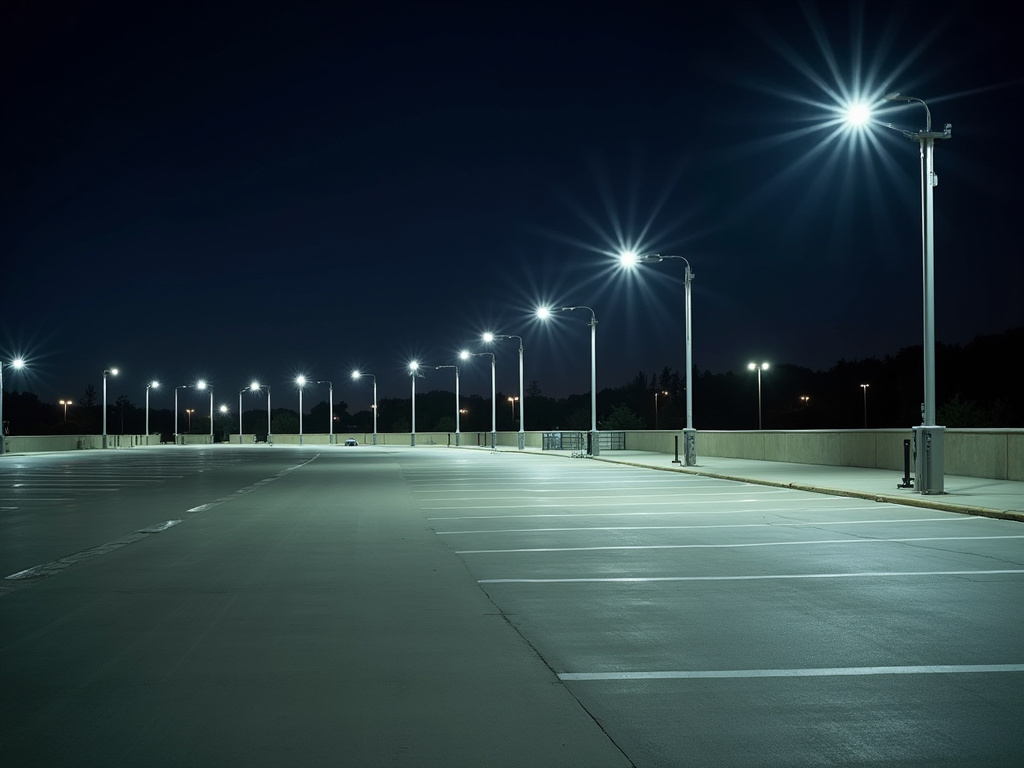
The installation and maintenance of the lights present a unique opportunity to enhance urban fields while reducing carbon footprints. Unlike conventional lights, these systems require minimal ground infrastructure, making installation a relatively straightforward process. Leading manufacturers like SunPower offer sleek, integrated solar-LED street lamps that can be mounted on existing poles, saving time and money on separate pole purchases.
However, the true value of the lights lies in their long-term sustainability. Proper installation involves more than just setting the panels up; it entails strategic placement, tilt calculations, and ensuring they’re facing the correct direction for best sun exposure. Street light pole manufacturers often provide detailed specifications and guidelines to aid in this process. Once installed, these lights operate with minimal intervention, significantly reducing maintenance costs. According to the National Renewable Energy Laboratory (NREL), well-designed solar street light systems can save up to 80% in energy costs compared to traditional lighting.
Regular maintenance is still important, particularly for panel cleaning and replacement. Enphase Energy, a pioneer in microinverter technology, offers advanced monitoring systems that allow for remote diagnostics and proactive issue resolution. Many cities now implement LED replacement programs, where old bulbs are swapped for energy-efficient LEDs, further extending the life of the systems. Given the rapid advancements in solar technology, the best commercial solar lights today are brighter, more efficient, and longer-lasting than ever. Some models boast over 100 lumens per watt, making them brighter than many conventional lights while using a fraction of the energy.
To determine whether the lights are worth the investment, consider their longevity and return on investment (ROI). With proper care, these lights can last 25 years or more, offering a consistent, clean energy source for public lighting. While initial costs may seem steep, the long-term savings can make the lights a smart choice for communities aiming to reduce energy expenses and environmental impact. When choosing the best solar light, look for models that have undergone rigorous testing and come from reputable manufacturers, ensuring you’re investing in a bright, sustainable future.
| Factor | What to know |
|---|---|
| Energy savings | Reduces energy costs by up to 80% compared to traditional lighting |
| Battery lifespan | Lithium-ion batteries can last up to 10 years under best conditions |
| System longevity | Well-designed systems can operate over 20 years with minimal maintenance |
| Brightness output | Typical lumens range from 500 to 1500 lm depending on model |
| Installation factors | Requires strategic placement, tilt calculations, and correct orientation for sun exposure |
| Smart monitoring | Remote diagnostics and sensors optimize energy use and catch issues early |
Benefits and Applications: Illuminating Public Spaces
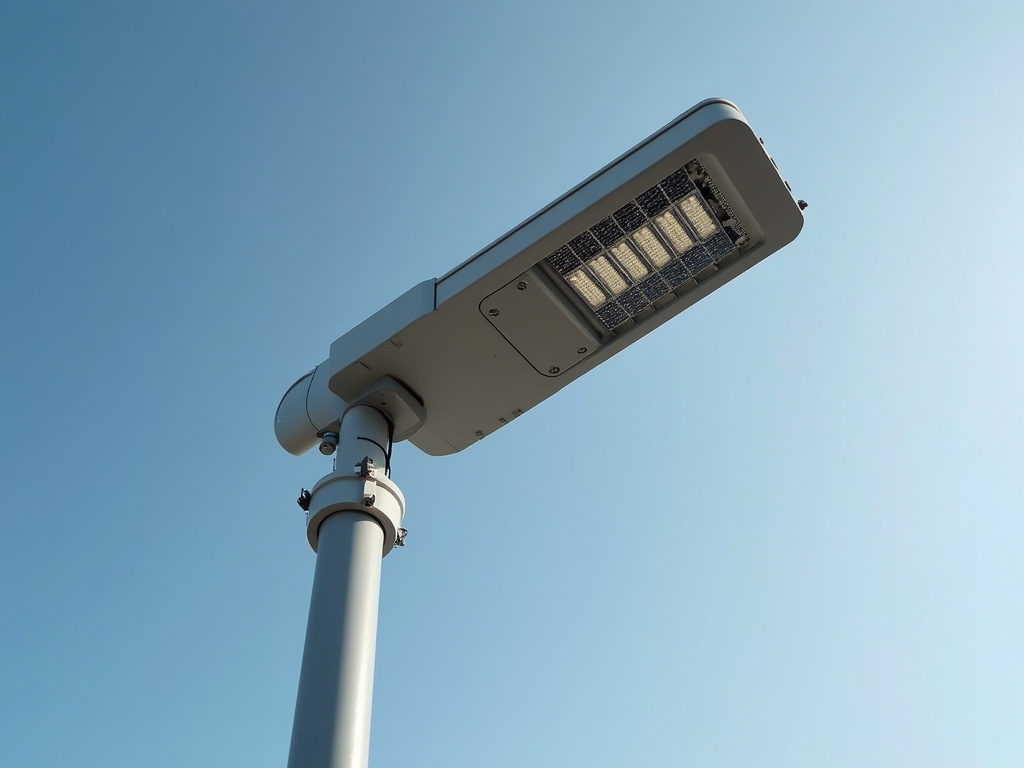
The lights offer a sustainable and cost-effective solution for illuminating public spaces, transforming urban fields. Their benefits are multifaceted: they reduce carbon footprints, lower operational costs, and enhance community safety. A study by the National Renewable Energy Laboratory (NREL) found that replacing traditional street lights with Solar LED street lamps can result in energy savings of up to 50%.
One of the key advantages of The lights is their ability to provide consistent lighting without relying on the grid. This independence makes them ideal for remote or hard-to-reach areas, such as rural roads or parks. These lights are increasingly durable and reliable, addressing concerns about their longevity. Modern The lights, powered by advanced technology from companies like SunPower, can operate for over 25,000 hours before requiring replacement.
However, concerns about the initial cost and potential for faster degradation remain. Some critics argue that The lights might not be worth the investment, especially in regions with inconsistent sunlight. In areas with frequent cloud cover or snow, the efficiency of these lights can wane. Yet, proactive measures like energy audits and LED replacement programs can mitigate these issues. Regular maintenance, often facilitated through long-term maintenance contracts with street light pole manufacturers, ensures best performance and longevity. When considering the brightest Solar Street Light options, look for models certified by Enphase Energy, which boast advanced lighting technology and superior brightness levels, ensuring effective illumination for public safety and aesthetic appeal.
Frequently Asked Questions About Solar Street Lights
What is the upfront cost of the lights compared to traditional lights?
The initial investment for the lights is generally higher than that of conventional lights, primarily due to the cost of the solar panels and battery systems. However, over time, solar lights offer significant savings. A study by the U.S. Department of Energy found that while the upfront cost can be 2-3 times that of LED lights, the lights have a shorter payback period, often within 3-5 years, making them a cost-effective long-term solution.
How do the lights work?
The lights use the power of sunlight during the day through photovoltaic (PV) panels. These panels convert solar energy into electricity, which is stored in batteries. At night, the stored energy powers the LED lights, providing illumination without the need for grid electricity. This off-grid system makes them highly versatile for remote or hard-to-reach areas.
Are the lights reliable in all weather conditions?
The lights are designed to withstand various weather conditions, including rain, snow, and high winds. The durability of modern solar panels and their protective coating ensures their longevity. However, extreme weather events can temporarily reduce their efficiency. Regular cleaning and maintenance, as per the manufacturer’s guidelines, can maximize their performance in all conditions.
How often do the lights need maintenance?
With minimal moving parts, the lights require relatively little maintenance. A routine check-up every 6-12 months is recommended to ensure proper functioning. This includes inspecting the lights for any damage, cleaning the solar panels, and checking the battery level. Many modern systems have built-in diagnostics that notify maintenance personnel of any issues.
Can the lights be integrated with smart city infrastructure?
Absolutely. The lights can be connected to smart city networks, enabling remote monitoring and control. This integration allows for efficient energy management, real-time performance data, and even adaptive lighting based on traffic flow and pedestrian activity. Cities like Singapore have successfully implemented smart solar street lighting systems.
What are the environmental benefits of the lights?
The lights significantly reduce carbon emissions and environmental impact compared to traditional lights. They operate without greenhouse gas emissions, contributing to cleaner air and a healthier environment. According to the International Energy Agency, transitioning to renewable energy sources like solar power can lead to a 40% reduction in CO2 emissions from buildings and outdoor lighting by 2050.
The lights represent a significant advancement in public lighting infrastructure, combining innovative technology with sustainable practices. By useing the power of the sun, these lights offer a cost-effective and environmentally friendly alternative to traditional lighting solutions. The article has highlighted the key aspects of their design, installation, and maintenance, showcasing the extensive research and development in this field.
From a technological perspective, SunPower and Enphase Energy have played key roles, with the latter’s microinverters enhancing energy efficiency. The Nrel (National Renewable Energy Laboratory) has further validated the efficacy of solar-powered street lights, demonstrating their potential to reduce carbon footprints. Installation involves strategic planning, with energy audits and LED replacement programs playing important roles in optimizing energy use. Regular maintenance contracts ensure longevity, given the sensitive nature of the components.
The benefits are manifold: reduced energy costs, lower maintenance overhead, and environmental stewardship. Solar LED street lamps not only illuminate public spaces but also contribute to a more sustainable future. As adoption increases, cities can expect improved public safety, enhanced aesthetics, and a positive environmental impact.
The lights are a major solution for urban lighting, offering economic and ecological advantages. The knowledge gained from this article equips readers to handle the transition to cleaner, more efficient lighting systems, setting a course for a brighter, more sustainable tomorrow.