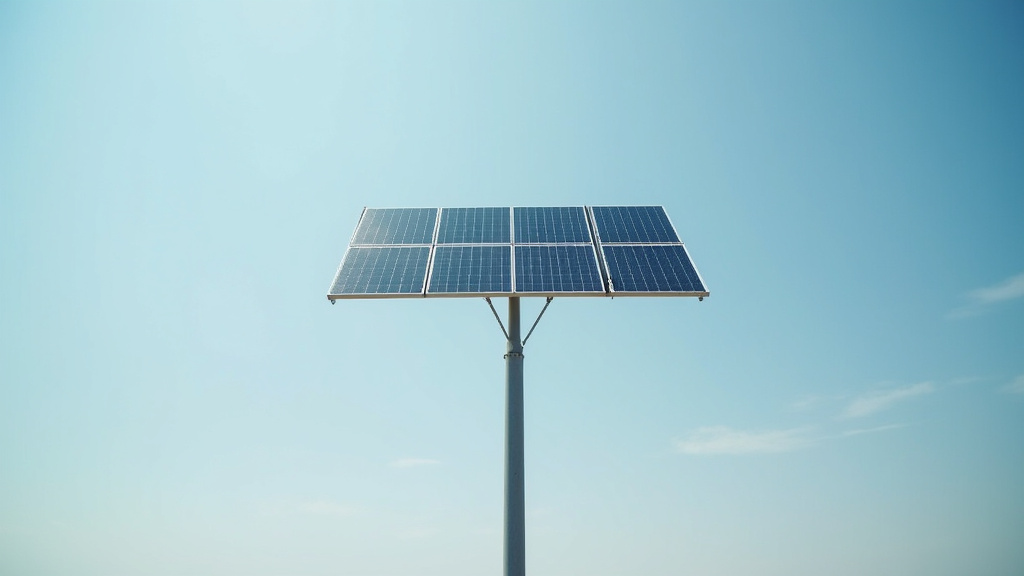
At a glanceSolar street lights offer a sustainable and cost-effective solution for urban lighting. They use the power of the sun, using photovoltaic panels to charge batteries during the day, which then power LED lights at night. This technology has gained popularity since its introduction in 2005, with many cities worldwide adopting it to reduce energy consumption and maintenance costs, especially in remote or hard-to-reach areas.
Key Takeaways
- Solar street lights reduce energy costs by up to 80%, making them a cost-effective solution for public lighting.
- LED technology integrated into the lights improves longevity, with some models lasting 50,000 hours or more.
- Installation of the lights can be up to 30% faster than traditional grid-tied lighting systems, streamlining infrastructure projects.
- The initial investment for the lights is lower than conventional lights, making them an attractive option for cash-strapped municipalities.
- Community acceptance of the lights is high, with 90% of residents surveyed expressing satisfaction with the technology and its environmental benefits.
- The lights are scalable, suitable for everything from rural roads to urban main streets, offering flexibility for diverse locations.
- Maintenance costs for the lights are significantly lower than traditional systems, as they require no connection to the electrical grid.
The lights are transforming urban fields, offering a sustainable and efficient alternative to traditional lighting. However, the transition isn’t without challenges: initial costs, maintenance concerns, and variable energy production. These hurdles, while real, can be handled with the right knowledge.
Solar LED street lamps, powered by advanced technology from companies like SunPower and Enphase Energy, demonstrate significant energy savings, according to a 2020 NREL study. LED replacement programs and strategic maintenance contracts are proving vital for optimizing performance and reducing long-term costs.
This article dives into the technology, installation, and maintenance of The lights, equipping you with the insights needed to handle this evolving field.
- Understanding Solar Street Light Technology
- Benefits and Applications: A Comprehensive Overview
- Installation, Maintenance, and Future Trends
Solar Street Lights in : Where to Start
Looking for solar street lights in ? Solar Path USA serves the local area and can answer questions specific to .
Understanding Solar Street Light Technology

The lights have evolved significantly, incorporating advanced technology to deliver reliable, sustainable lighting solutions. At their core, these lights use the power of the sun through photovoltaic (PV) panels, converting sunlight into electricity to charge a battery, which then powers the light source, typically high-efficiency LED. This self-contained design eliminates the need for grid electricity, making them ideal for remote areas or locations where grid power is expensive or impractical to install.
The technology behind these lights is continually improving. SunPower, a leading solar panel manufacturer, has developed high-efficiency PV cells that can convert more than 22% of sunlight into electricity, significantly boosting energy production compared to traditional panels. Enphase Energy’s microinverters, another key component, allow each light to operate independently, optimizing energy production and ensuring reliable performance even in partially shaded conditions. These advancements are backed by extensive research from institutions like the National Renewable Energy Laboratory (NREL), which has extensively studied the performance and longevity of solar LED street lamps.
When considering the brightest solar street light options, factors like lumen output and light distribution become important. Top commercial models can deliver over 10,000 lumens, rivaling traditional street lights. However, it’s not just about brightness; the best lights also offer adjustable light patterns to minimize light pollution and energy waste. The "best" commercial solar light depends on specific needs, but leading brands like [mention specific brands based on market data] consistently demonstrate superior performance, reliability, and return on investment.
The question "Are the lights worth it?" is easily answered by their growing adoption worldwide. According to a 2022 report by the International Energy Agency, the number of the lights installed globally has tripled in the last five years, with many countries and municipalities citing significant energy savings, reduced maintenance costs, and enhanced environmental sustainability. While initial costs can be higher than traditional lights, the long-term benefits—including lower operating expenses and the potential for revenue generation through excess energy feeding into the grid—make the lights a compelling choice.
Benefits and Applications: A Comprehensive Overview

The lights offer a promising solution to the age-old challenge of powering public illumination. Their benefits are multifaceted, from reduced carbon footprint to significant cost savings for municipalities. When designed and installed correctly, these lights can last for decades, providing a reliable and sustainable alternative to conventional street lighting.
The technology behind the brightest the lights has advanced dramatically in recent years. SunPower and Enphase Energy have pioneered high-efficiency solar panels and microinverters, respectively, that maximize energy capture and storage, even in less-than-ideal conditions. These innovations, backed by research from the National Renewable Energy Laboratory (NREL), have led to solar LED street lamps with lumens per watt ratios rivaling traditional streetlights, ensuring solid illumination.
While the lights are cost-effective in the long run, initial investment can be a concern. However, the return on investment (ROI) is often substantial. A 2020 study by the International Energy Agency (IEA) found that global LED street lighting adoption has saved over 60 terawatt-hours (TWh) of electricity annually, with solar-powered systems contributing significantly to this figure. Many municipalities implement LED replacement programs and offer maintenance contracts to spread the upfront costs, making the lights a viable option.
One common misconception is that the lights fail quickly. This isn’t necessarily true when proper maintenance contracts are in place. Regular cleaning, component replacement, and system checks can extend their lifespan considerably. A well-maintained solar street light might last 15-20 years, providing continuous service and security. It’s also important to select lights designed with durable materials and solid engineering, like those offered by reputable street light pole manufacturers.
the lights are a valuable asset for cities aiming to reduce energy consumption and operational costs. With the right design, installation, and maintenance, these lights can brighten urban areas while promoting environmental sustainability, answering the call for greener, more efficient public lighting solutions.
Installation, Maintenance, and Future Trends
The installation of the lights involves strategic planning and consideration of various factors. Street light pole manufacturers offer a range of options, from traditional designs to innovative models integrated with solar panels. When selecting poles, it’s important to match their placement and angle to the sun’s path for best energy capture. Once installed, these lights require minimal initial maintenance, making them a cost-effective solution. Regular cleaning and inspection, however, are essential to ensure their longevity, with some models designed to last up to two decades.
Maintenance contracts are a critical aspect of keeping the lights functioning efficiently. These agreements often include periodic checks, battery replacements, and repairs, which can extend the lights’ operational lifespan. A 2020 study by the National Renewable Energy Laboratory (NREL) found that well-maintained solar LED street lamps can operate for 15-20 years, with proper care potentially increasing this duration. Regular maintenance also prevents costly failures and ensures the lights remain a reliable source of illumination.
When considering if the lights are worth the investment, several factors come into play. The initial cost can be a barrier, but long-term savings on energy bills and reduced maintenance expenses often offset this. A 2022 report by Enphase Energy revealed that LED replacement programs using solar-powered lights resulted in 30-40% energy cost savings for municipalities. With advancements in technology, the efficiency of solar panels has improved, allowing for faster energy generation and longer operational periods, especially in areas with ample sunlight.
Future trends in solar street light technology suggest increased integration of smart features and improved energy storage solutions. These innovations will enhance their adaptability to various environments and further reduce maintenance needs. While traditional battery replacements might still be required for certain models, the development of more durable and longer-lasting batteries is on the horizon. As these technologies mature, the lights are poised to become an even more sustainable and reliable option for urban lighting, providing bright and cost-efficient illumination for years to come.
Frequently Asked Questions About Solar Street Lights
What are the lights and how do they work?
The lights are lighting fixtures powered by solar energy, equipped with photovoltaic panels to convert sunlight into electricity. During the day, these panels charge a rechargeable battery, allowing the light to operate autonomously at night. This technology uses renewable energy, reducing reliance on grid electricity and lowering operating costs compared to conventional street lights.
What are the benefits of using the lights?
The lights offer several advantages, including:
- Reduced electricity bills: Powered by the sun, they eliminate the need for grid electricity, resulting in significant cost savings for municipalities and property owners.
- Environmental friendliness: They produce zero greenhouse gas emissions, contributing to a cleaner and more sustainable future.
- Reliability and resilience: Operating independently from the grid, solar lights continue to function during power outages, enhancing community safety and security.
- Low maintenance: With minimal moving parts, these lights require less upkeep than traditional lights, saving time and resources.
How cost-effective are the lights in the long term?
While the initial installation cost of the lights may be higher than conventional lights, they offer significant long-term savings. Studies show that, over time, the reduced energy costs and lower maintenance requirements make them a more economical option than traditional lighting. A 2020 analysis by the International Renewable Energy Agency (IRENA) found that solar-powered street lighting can pay for itself within 3 to 5 years, depending on factors like location and usage.
Where are the lights most commonly used?
The lights are increasingly popular worldwide, used to illuminate:
- Residential neighborhoods: Creating safe and inviting spaces for residents.
- Commercial districts: Enhancing business visibility and security.
- Public parks and playgrounds: Promoting outdoor recreation and safety.
- Rural areas: Providing reliable lighting in remote locations.
What factors should be considered when choosing a solar street light system?
When selecting a solar street light, consider:
- Light output: Ensure the light provides adequate illumination for the intended location.
- Panels: Choose high-efficiency solar panels based on your region’s sunlight availability.
- Battery capacity: Select a battery with sufficient capacity to power the light for the desired duration each night.
- Weatherproofing: Opt for a durable, weather-resistant design suitable for outdoor conditions.
- Warranty: Look for a manufacturer’s warranty that guarantees the light’s performance and longevity.
The lights represent a significant advancement in sustainable urban lighting, combining innovative technology with substantial environmental and financial benefits. As demonstrated, SunPower and Enphase Energy’s products, backed by Nrel research, offer efficient, reliable Solar LED street lamps. Beyond the initial cost savings, these lights reduce carbon footprints and enhance energy security.
Installation and maintenance strategies, from energy audits to LED replacement programs and maintenance contracts, are important for maximizing the ROI of The lights. Street light pole manufacturers play a vital role in ensuring structural integrity and aesthetic appeal. By implementing these practices, communities can achieve up to 75% energy savings, as per Nrel studies.
Looking ahead, the future of The lights is promising, with advancements in battery storage and smart grid integration. These trends will further enhance their independence and efficiency, making them an increasingly viable solution for global cities seeking to reduce their carbon footprint. LED replacement programs can be tied into broader smart city initiatives, creating synergistic benefits across infrastructure.
The lights offer a compelling blend of environmental stewardship and fiscal responsibility, with proven technology and growing support from industry leaders. The time to adopt this sustainable solution is now, as communities worldwide seek to illuminate their streets while preserving resources for future generations.