
Key Takeaways
- Lights offer a cost-effective and sustainable lighting solution, reducing energy consumption and carbon footprint.
- Installation times can vary, but most projects are completed within one to two days, minimizing disruptions.
- LED technology in lights has a longer lifespan and requires less maintenance than traditional lighting.
- The initial investment may be high, but long-term savings on energy bills make them a financially viable option.
- They are particularly beneficial for remote or rural areas with limited access to conventional power grids.
- Integrating smart controls can optimize light output, enhancing energy efficiency and security.
- Local governments can leverage lights to promote environmental initiatives and reduce public lighting costs.
At a glanceLights transform urban areas with clean, efficient lighting solutions. They harness solar energy during the day, storing it in batteries for nighttime use, reducing grid reliance. This sustainable approach lowers maintenance costs and offers a quick installation process, typically taking one to two days, making them ideal for communities seeking an eco-friendly lighting upgrade.
Lights are transforming urban landscapes, offering a sustainable alternative to traditional lighting. However, the transition to solar power isn’t always smooth. Many communities face challenges like initial cost, pole placement, and maintenance, hindering widespread adoption. This article examines the innovative technology behind Lights, from advanced solar panels like those developed by SunPower to microinverters from Enphase Energy, which enhance efficiency. We’ll explore installation best practices, including energy audits and LED replacement programs, as well as the growing trend of maintenance contracts for optimized performance and reduced downtime. By the end, you’ll understand why Lights are not just a trend, but a crucial step towards a greener future.
- Understanding the Benefits of Lights
- Installation: A Step-by-Step Guide for Lights
- Maintenance and Long-Term Care for Lights
Solar Street Lights: Where to Start
Looking for solar street lights? Solar Path USA can answer your questions directly.
Understanding the Benefits of Solar Street Lights
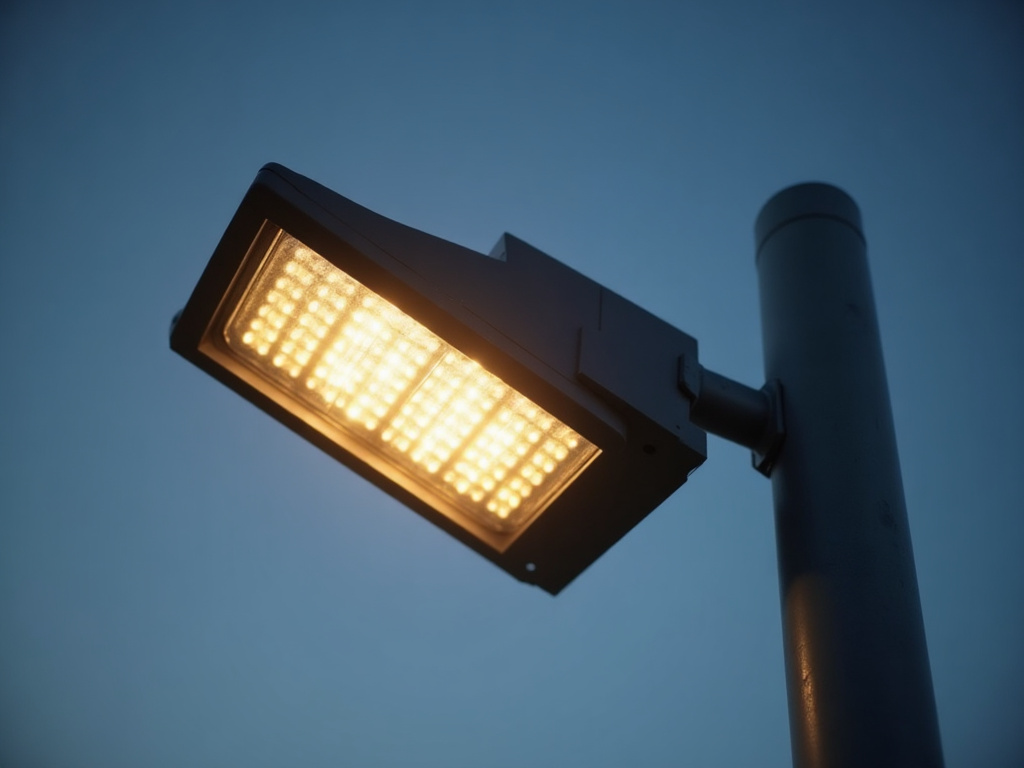
Lights offer a compelling alternative to traditional lighting, with significant environmental and financial benefits. They harness the power of the sun, reducing reliance on the grid and cutting down on energy costs. This is particularly attractive in the long term, as the initial investment can be offset by years of reduced utility bills. Lights are designed to be efficient and durable, making them a sustainable choice for urban areas.
One common concern about lights is their longevity. However, the root of this issue often lies in the initial quality of the products. Quality brands like SunPower and Enphase Energy manufacture panels and microinverters that are designed to withstand harsh weather conditions and maximize energy production. The National Renewable Energy Laboratory (NREL) conducts rigorous testing to ensure the reliability of solar LED street lamps. Regular maintenance, such as cleaning and inspection, also plays a crucial role in extending the lifespan of these lights. Contrary to the notion that solar lights "fail so quickly," many well-maintained installations can last for a decade or more, especially with modern advancements in technology.
When considering whether lights are worth the investment, an energy audit can provide valuable insights. This process assesses your location’s energy needs and identifies areas for improvement. Many cities have implemented LED replacement programs, demonstrating the cost-effectiveness and environmental benefits of solar lighting. These programs have been successfully rolled out in various suburban areas, resulting in reduced energy consumption and lower maintenance costs. While replacing the batteries in solar lights isn’t as straightforward as in conventional lighting, modern systems are designed for minimal maintenance, making them user-friendly and cost-efficient.
Lights represent a promising step towards a greener future. By understanding their benefits, addressing common concerns, and leveraging available resources, communities can make informed decisions about transitioning to solar lighting. This shift not only reduces carbon footprints but also fosters a more sustainable and resilient urban environment.
Installation: A Step-by-Step Guide for Solar Street Lights
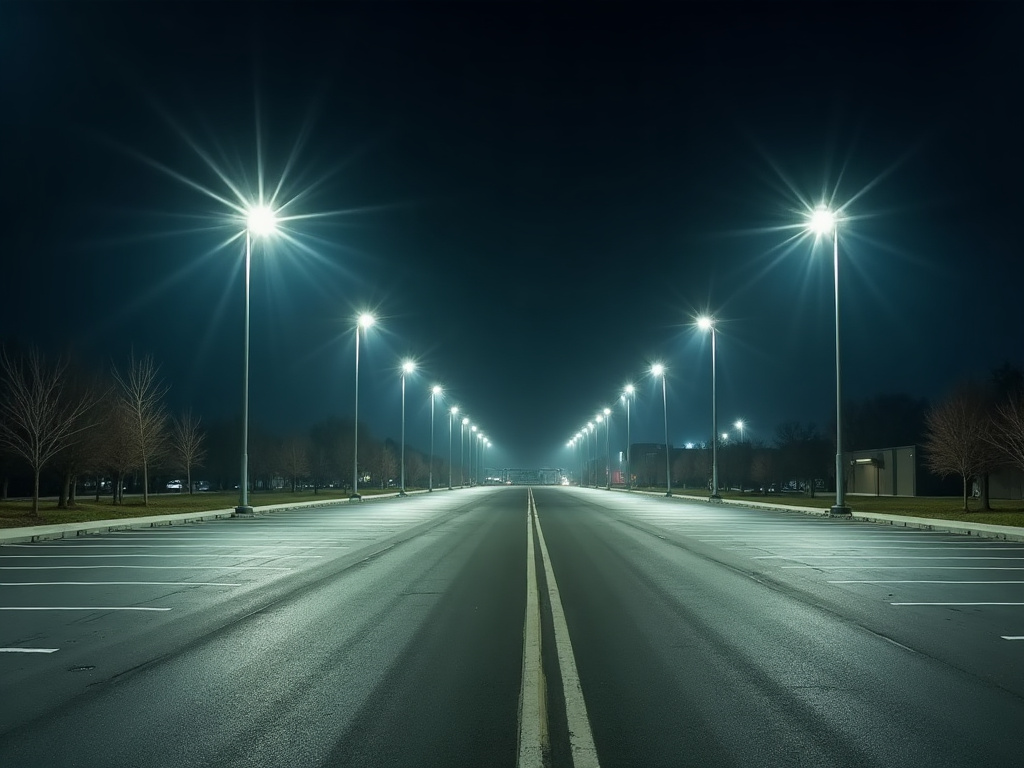
The installation process for lights involves careful planning and execution to ensure optimal performance and longevity. Before deployment, a thorough site assessment is crucial. This includes evaluating sunlight exposure, shading from trees or buildings, and the existing infrastructure, such as pole placement and electrical connections. Proper site preparation is key to the long-term success of lights, as it maximizes the energy capture potential.
The installation itself begins with the placement of the solar panels, usually mounted on existing street light poles or new poles designed to accommodate solar technology. These panels are then connected to a micro-inverter, a component that converts the solar energy into usable electricity. This is a key step in addressing the common concern, "Why do solar lights fail so quickly?" The micro-inverter not only optimizes energy conversion but also protects the system from voltage fluctuations, a primary cause of premature failure in conventional solar installations. Next, the LED lighting fixture is attached, replacing or augmenting the traditional street light. It’s important to select a high-quality Solar LED street lamp to ensure brightness and longevity-the brightest available options can provide significant security and visual comfort, but the exact intensity depends on local regulations and energy considerations.
After the hardware is in place, the system is wired to the local electrical grid (or a battery backup system, if off-grid), and the software is configured. This includes setting the lighting schedule, ensuring the system operates efficiently during peak hours, and optimizing energy storage. Regular maintenance, including cleaning the panels and inspecting connections, is crucial for the system to function at its best. Many street light pole manufacturers offer maintenance contracts, which can be invaluable for consistent performance over the lifespan of the lights, which typically range from 25 to 30 years with proper care. By following these steps and addressing potential issues promptly, lights can provide a reliable, sustainable, and cost-effective lighting solution for years to come.
| Factor | What to know |
|---|---|
| Installation time | Most projects completed within one to two days |
| Lifespan | Typically lasts 25 to 30 years with proper care |
| Key components | Solar panels, microinverters, and LED fixtures ensure efficiency |
| Maintenance needs | Regular cleaning and inspections extend system longevity |
| Cost benefits | High upfront cost offset by long-term energy savings |
| Ideal use case | Especially beneficial for remote or rural areas |
Maintenance and Long-Term Care for Solar Street Lights
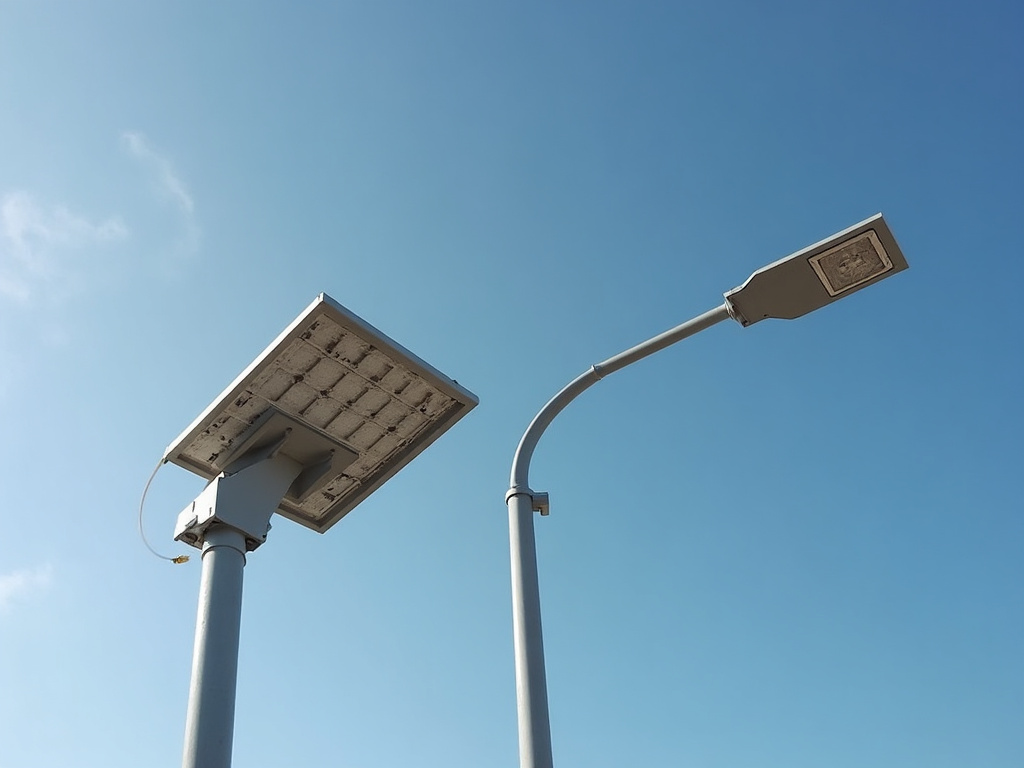
Lights, once installed, require thoughtful maintenance and long-term care to ensure their longevity and efficiency. The lifespan of these lights varies based on factors like design, quality, and environmental conditions, but with proper upkeep, they can operate for a decade or more. One study suggests that high-quality solar LED street lamps can have a useful life of 20-30 years, outperforming their conventional counterparts. However, many users wonder, how long will lights last? and is the initial investment worth it in the long run?
Regular maintenance is crucial to the longevity of lights. Unlike traditional lights, these require meticulous care to preserve their energy efficiency. Common issues include dust buildup, which can block sunlight and reduce battery life, and malfunctioning components, which may need replacement. The solar panel, being the heart of the system, can be susceptible to damage from extreme weather or vandalism. Street light pole manufacturers often offer maintenance contracts, which can include periodic cleaning, component checks, and repairs, ensuring optimal performance. Regular audits, similar to energy audits, can help identify inefficiencies and areas for improvement, prolonging the life of the system.
One of the main advantages of lights is their reduced maintenance frequency compared to conventional lights. However, they are not invincible. Over time, the efficiency of the system may degrade, and components may wear out. The Enphase Energy microinverters, commonly used in lights, have a rated lifespan of 25 years. Beyond this, the lights may require LED replacement programs to stay functional. These programs involve periodic updates to ensure the system keeps up with energy standards and remains effective. By planning for these eventualities, cities and municipalities can ensure their lights remain a sustainable, cost-effective solution for years to come.
Frequently Asked Questions About Solar Street Lights
What are lights, and how do they work?
Lights are self-powered lighting solutions that utilize solar panels to harness sunlight during the day and store it in batteries for nighttime illumination. This renewable energy system is designed to replace traditional grid-connected street lighting, offering a cost-effective and eco-friendly alternative. The lights are equipped with sensors that detect darkness, automatically turning on and off to ensure efficient energy use.
Are lights reliable in different weather conditions?
Lights are engineered to withstand various weather conditions. They are typically made with durable materials and have water-resistant designs. While they may experience reduced performance during periods of heavy cloud cover or rain, modern solar panels are designed to capture sunlight even on overcast days. Most systems are equipped with enough battery storage to keep lights operational throughout brief power outages caused by storms.
How do lights benefit local communities?
Lights offer several advantages for communities. They provide enhanced safety and security through well-lit public spaces, potentially reducing crime rates. These lights also promote energy independence and sustainability, lowering carbon footprints and reducing reliance on non-renewable energy sources. They can contribute to cost savings for local governments and residents by eliminating or reducing electricity bills associated with traditional street lighting.
What is the typical installation process for lights?
Installation typically involves selecting suitable light fixtures, designing an efficient lighting layout, and mounting the lights in strategic locations. Solar panels are installed on poles or rooftops, facing towards the south (in the Northern Hemisphere) or north (in the Southern Hemisphere) for optimal sunlight exposure. Wiring connects the panels to the lights, and a battery system stores excess energy. The entire process usually takes one to two days, depending on the size and complexity of the installation.
How do I maintain lights, and what is the expected lifespan?
Regular cleaning of the lights’ panels and lenses is essential to maintain optimal performance. Annual or bi-annual professional inspections are recommended to check battery health, wiring integrity, and lighting functionality. With proper care, lights can last 10-15 years or more, though components like batteries may need to be replaced earlier. Regular maintenance ensures the lights remain efficient and reliable, contributing to their long-term cost-effectiveness.
Implementing lights offers significant advantages for urban areas seeking sustainable and cost-effective lighting solutions. From the technology and design of solar LED street lamps, backed by research from the NREL, to the step-by-step installation process and maintenance strategies, this article has provided a practical guide. By leveraging solar power, communities can reduce energy costs, minimize carbon footprints, and enhance environmental resilience. The practical insights, from energy audits to LED replacement programs and maintenance contracts, empower local governments and stakeholders to make informed decisions. Adopting lights is not just an eco-friendly choice; it’s a strategic investment in the future of urban infrastructure, promising long-term savings and environmental stewardship.