Key Takeaways
- Solar street lights offer a sustainable and cost-effective alternative to traditional lighting, reducing energy consumption and maintenance needs.
- They are highly efficient, with some models boasting up to 80% energy savings compared to incandescent lights.
- Initial installation costs can be high, but long-term savings on electricity bills make them a worthwhile investment.
- Solar panels must be strategically placed to maximize sunlight exposure for optimal charging during the day.
- These lights are versatile and suitable for various applications, from residential streets to remote rural areas.
- They contribute to environmental conservation by reducing carbon emissions and minimizing light pollution.
- Regular cleaning and panel maintenance are essential to ensure peak performance and longevity of solar street lights.
At a glanceSolar street lights harness the power of the sun to illuminate public spaces, offering an eco-friendly alternative to traditional lighting. They’re energy-efficient, cost-effective, and require less maintenance, making them a sustainable choice for many communities.
In the pursuit of sustainable and efficient urban lighting, Solar Street Lights have emerged as a transformative technology. With the ever-growing need to reduce carbon footprints and optimize energy consumption, transitioning to renewable energy sources for street lighting is paramount. The traditional reliance on electricity has long presented challenges, from maintenance costs to environmental impacts. Solar Street Lights offer a promising solution by harnessing the power of the sun, providing a clean, cost-effective, and reliable alternative. This article delves into the intricacies of Solar Street Lights, exploring their functionality, benefits, and the transformative potential they hold for our urban landscapes.
Solar Street Lights in : Where to Start
Looking for solar street lights in ? solar street lights for sale serves the local area and can answer questions specific to .
Understanding Solar Street Lights: Technology & Benefits
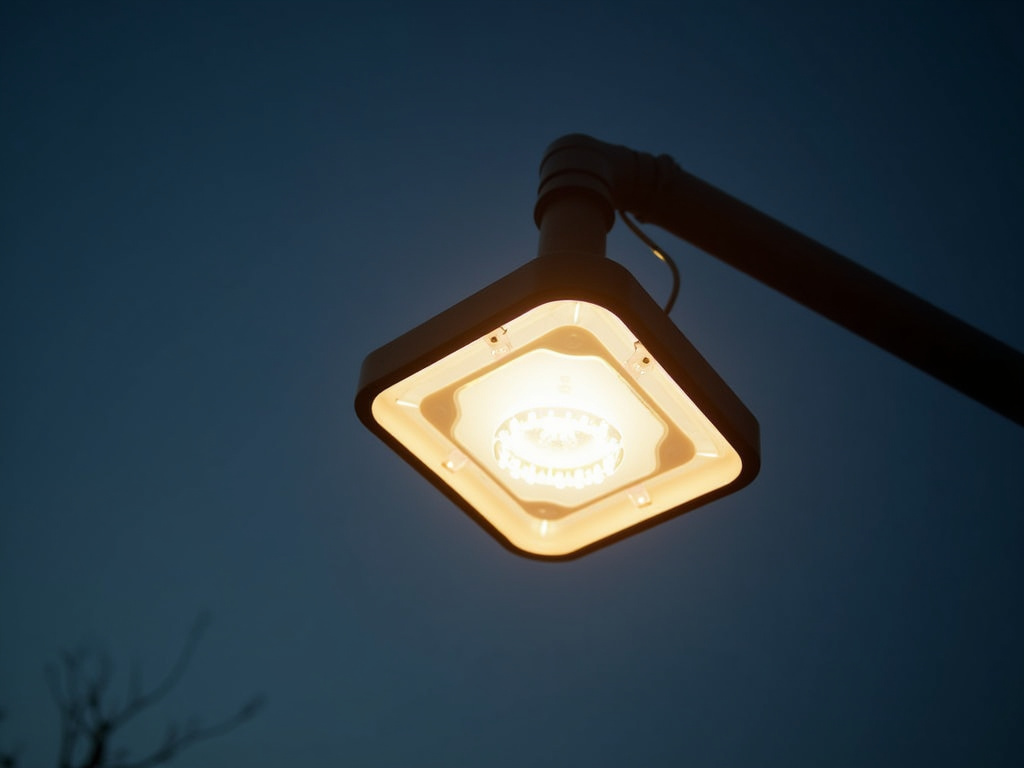
Solar Street Lights have emerged as a game-changer in urban and rural lighting solutions, offering a sustainable and cost-effective alternative to traditional power-reliant street lighting. Understanding the technology behind these lights is crucial when considering their implementation. Solar Street Lights harness the power of the sun through photovoltaic (PV) panels, which convert sunlight into electricity. This energy is then stored in rechargeable batteries, allowing the lights to operate autonomously at night. The benefits of Solar Street Lights are multifaceted. They significantly reduce carbon footprints by eliminating the need for grid electricity, contributing to a greener environment. Moreover, they offer considerable cost savings, as there are no electricity bills to pay, and initial installation costs are often offset by long-term savings.
When should you consider hiring Solar Street Lights? Their implementation is particularly beneficial in remote areas with limited access to the power grid or in urban settings aiming to reduce energy consumption and carbon emissions. For instance, a study in the U.S. found that installing Solar Street Lights in 100 public spaces could save over $2 million in energy costs over a decade. What to expect from Solar Street Lights includes reliable, consistent lighting for public spaces, reduced maintenance due to the absence of moving parts, and increased security through well-lit areas. However, the effectiveness of Solar Street Lights also depends on factors like sunlight exposure, temperature variations, and battery storage capacity.
Is Solar Street Lights worth the investment? Absolutely, in many cases. While the initial setup costs can be high, the long-term savings and environmental benefits make them a compelling choice. According to a global report, the solar street lighting market is projected to grow at a CAGR of 15.2% from 2022 to 2030, highlighting the growing acceptance and demand. To maximize the benefits, it’s essential to choose high-quality panels, efficient batteries, and reliable manufacturers. Additionally, staying informed about local incentives and grants for renewable energy projects can significantly offset installation costs.
Installation & Maintenance: A Step-by-Step Guide
Solar Street Lights have gained significant traction as a sustainable and efficient lighting solution for public spaces. However, ensuring their optimal performance requires a thorough understanding of installation and maintenance procedures. This step-by-step guide aims to provide practical insights for both do-it-yourself enthusiasts and professionals seeking to implement Solar Street Lights effectively.
Installation & Maintenance: A Solar Street Lights Checklist
-
Site Assessment: Begin by evaluating the location. Is Solar Street Lights worth the investment? Consider factors like sunlight exposure, weather conditions, and the area’s security needs. Identify suitable locations, such as well-lit streets, parking lots, or parks, where these lights can maximize energy absorption and visibility.
-
Equipment Selection: Choose Solar Street Lights tailored to your needs. When asking, "How to choose Solar Street Lights," consider factors like wattage, lumens, and mounting height. Ensure the lights meet local regulations and lighting requirements. Compare different models, keeping in mind the quality of components, warranty, and efficiency ratings.
-
Installation Process:
- Prepare the Mounting Surface: Clean and clear the area, ensuring no obstructions.
- Install the Light: Securely mount the solar panel and light fixture. Use appropriate hardware and follow manufacturer instructions.
- Connect Wiring: Properly wire the light to the panel and, if necessary, a battery or grid system.
- Test and Position: Check functionality, aiming the light for optimal illumination. Adjust as needed for maximum light distribution.
-
Ongoing Maintenance: Regular maintenance ensures the longevity and efficiency of Solar Street Lights. Here are some key questions to ask before hiring a maintenance service:
- How frequently should cleaning and inspections be conducted?
- What is the response time for repairs?
- Are they experienced in handling specific Solar Street Light models?
- Ensure maintenance plans include cleaning panels, checking connections, and replacing batteries or components as required.
By following these steps, you can facilitate the successful integration of Solar Street Lights, contributing to a greener, more illuminated urban landscape.
| Factor | What to know |
|---|---|
| Energy savings | Up to 80% savings compared to incandescent lights |
| Site assessment | Evaluate sunlight exposure, weather conditions, and security needs |
| Equipment selection | Consider wattage, lumens, mounting height, and local regulations |
| Market growth | Projected CAGR of 15.2% from 2022 to 2030 |
| Cost savings example | 100 public spaces could save over $2 million in a decade |
| Ongoing maintenance | Regular cleaning, inspections, and battery or component replacement |
Choosing the Right Solar Street Light: Factors to Consider
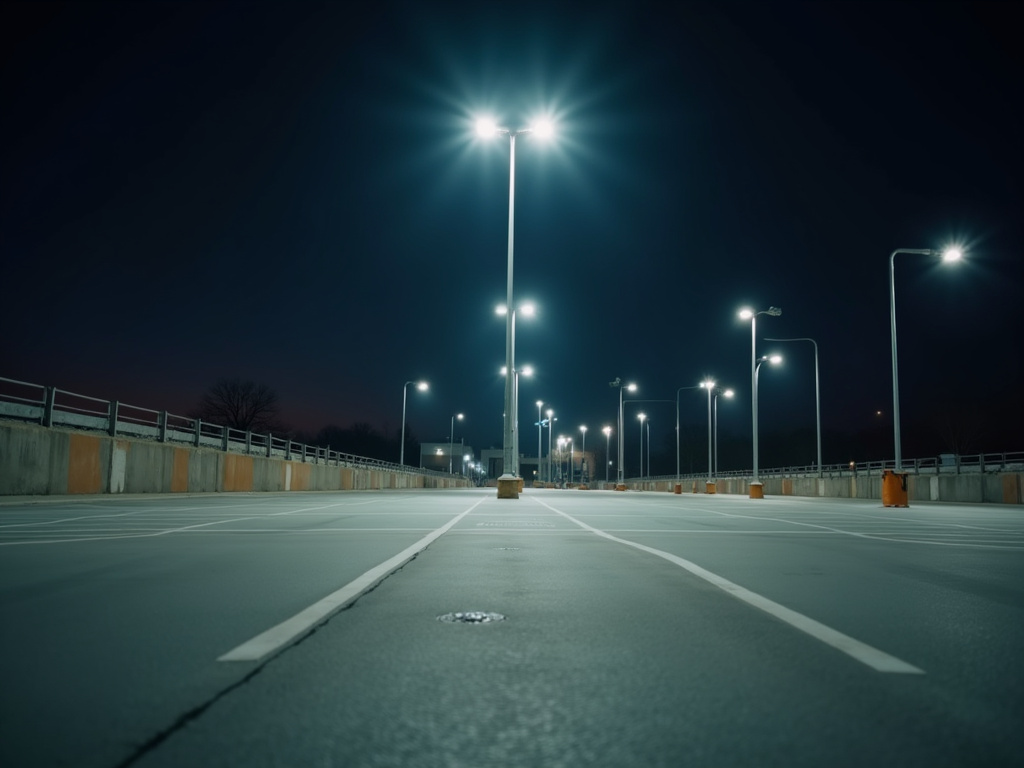
Choosing the right solar street light is a crucial step in ensuring effective and sustainable street lighting. Before selecting a model, it’s essential to consider your specific needs and the unique challenges of your location. Solar street lights offer numerous benefits, including reduced energy costs, lower maintenance, and a positive environmental impact. However, not every setup is ideal for these lighting solutions.
One of the first signs you need solar street lights is a lack of reliable grid power or high energy costs associated with conventional lighting. If you’re in a remote area or facing expensive electricity bills, solar-powered options can provide a cost-effective and efficient alternative. These lights utilize sunlight during the day and convert it into energy, ensuring a consistent light source without the need for frequent replacements or costly maintenance. For instance, a study by the International Renewable Energy Agency (IRENA) found that solar street lights can reduce energy consumption by up to 75% compared to traditional lighting systems.
Determining whether you actually need solar street lights involves evaluating your lighting requirements, local conditions, and budget. Key factors to consider include lighting intensity, coverage area, and the environmental setting. For example, heavily trafficked urban streets may demand brighter, more powerful lights, while rural roads might suffice with lower-intensity options. Additionally, the amount of daylight your location receives and the presence of obstructions like trees or buildings can impact the performance of solar panels. It’s worth noting that modern solar street lights are designed to adapt to varying light conditions, ensuring optimal energy collection and lighting output.
When evaluating what to expect from solar street lights, keep in mind that they offer a durable, reliable, and sustainable lighting solution. With proper installation and maintenance, these lights can last for years, providing consistent illumination with minimal environmental impact. However, initial costs can be higher than traditional lights, and the learning curve for setup and monitoring might require some adjustment. By carefully considering your needs and the potential benefits, you can make an informed decision, ensuring your community enjoys the advantages of clean, efficient street lighting.
Frequently Asked Questions About Solar Street Lights
What are solar street lights?
Solar street lights are lighting fixtures that utilize solar panels to harness sunlight and convert it into electricity. This power is then stored in a rechargeable battery, enabling the light to operate during the night or in low-light conditions. Unlike traditional street lights, they are environmentally friendly, cost-effective, and require minimal maintenance.
How do solar street lights work?
Solar street lights collect energy from the sun through their panels. During the day, this energy charges the light’s internal battery. Once the sun sets, the battery powers the light, providing illumination. Advanced models may include motion sensors, ensuring energy efficiency by activating the light only when necessary.
Are solar street lights cost-effective?
Absolutely. While the initial installation cost may be higher than conventional lights, solar street lights offer significant long-term savings. They eliminate electricity bills and, due to their durable nature, reduce maintenance expenses. Moreover, many governments and local authorities offer incentives and grants to encourage the adoption of solar lighting.
What are the environmental benefits of solar street lights?
Solar lighting is an eco-friendly alternative to traditional street lighting, primarily because it reduces greenhouse gas emissions and minimizes energy consumption. By relying on renewable energy, they help decrease the carbon footprint of urban areas and contribute to a more sustainable future.
Can solar street lights be used in all weather conditions?
While solar panels are designed to capture sunlight, their efficiency can be affected by extreme weather conditions. Heavy clouds, rain, or snow can reduce the amount of sunlight available to charge the panels. However, modern solar lights are built to withstand various weather conditions and still provide adequate lighting during these periods.
How do I maintain solar street lights?
Maintenance is generally minimal. Regular cleaning of the panels and diffusers ensures optimal light output. Battery replacement is occasionally needed, typically every 2-3 years. Some models also have automatic monitoring systems that alert users to any issues, making maintenance even easier.
Are solar street lights safe for wildlife?
Solar street lights are considered safe for most wildlife. They emit less light pollution compared to traditional lights, preserving the natural behavior and migration patterns of nocturnal animals. However, as with any lighting, excessive brightness can disorient certain species, so responsible placement and dimming features are recommended.
Solar Street Lights represent a transformative technology for urban lighting, offering sustainable and cost-effective solutions. By harnessing solar power, these lights not only reduce carbon footprints but also provide significant energy savings. Understanding their unique benefits, such as reduced maintenance costs and improved environmental sustainability, is crucial. The step-by-step installation guide ensures accessibility for both professionals and homeowners. When selecting a Solar Street Light, considering factors like luminosity, battery capacity, and weather resistance is essential. This comprehensive approach enables informed decisions, ensuring optimal performance and longevity. Armed with this knowledge, readers are now equipped to explore the potential of Solar Street Lights, contributing to a greener and more efficient future.