
Key Takeaways
- Increasing energy costs and environmental concerns highlight the need for sustainable lighting solutions.
- Solar street lights offer a cost-effective and eco-friendly alternative to traditional lighting fixtures.
- Lower maintenance requirements compared to wired lights make solar street lights a hassle-free option.
- With advanced technology, these lights can adapt to changing weather conditions, ensuring optimal performance.
- Investing in solar street lights can enhance safety and security for public spaces and residential areas alike.
- The growing adoption of renewable energy makes solar street lights a forward-thinking choice for communities.
- They contribute to reducing carbon footprints and promoting a greener future.
At a glanceIf your neighborhood struggles with power outages, dark alleys, or high energy bills, Solar Street Lights are a solution. They harness free sunlight to provide bright, sustainable lighting, eliminating the need for grid electricity and reducing maintenance, making them eco-friendly and cost-effective.
In today’s world, efficient and sustainable lighting solutions are not just a trend but an imperative. As cities expand and urbanization intensifies, the need for reliable and eco-friendly street lighting has become paramount. Traditional lighting systems, while effective, often rely on non-renewable energy sources and can be costly to maintain. This is where Solar Street Lights step in as a game-changer. By harnessing the power of the sun, these innovative systems offer a myriad of benefits, from reduced environmental impact to significant long-term cost savings for communities.
This article delves into the key signs that indicate your area could greatly benefit from transitioning to Solar Street Lights, providing insights tailored for urban planners and local governments.
Solar Street Lights in : Where to Start
Looking for solar street lights in ? Solar Path USA solar street lights serves the local area and can answer questions specific to .
Understanding the Benefits of Solar Street Lights

The transition to solar street lights offers a range of benefits beyond environmental sustainability. In terms of cost savings, these lights can significantly reduce energy bills for municipalities and businesses alike. Solar panels harness the power of sunlight during the day and convert it into electricity, which is then stored in batteries until needed at night. This self-sufficient system eliminates dependence on traditional power grids, resulting in substantial long-term financial savings. For instance, a recent study by the International Renewable Energy Agency (IRENA) found that solar street lights can save up to 60% on lighting costs compared to conventional options over a 25-year period.
In addition to economic advantages, solar street lights provide environmental benefits. By relying on renewable energy sources, they contribute to reduced carbon emissions and a smaller carbon footprint. This is particularly significant in urban areas where light pollution can disrupt ecosystems and impact wildlife. Moreover, these lights offer versatility and adaptability. They can be easily installed in various settings, from residential neighborhoods to remote highways, and require minimal maintenance. This longevity and low-maintenance nature makes solar street lights a prudent investment for communities aiming to enhance their infrastructure while minimizing operational costs.
When considering a shift to solar street lights, it’s essential to evaluate your needs and qualifications. How long does the installation process take? Typically, a well-planned implementation can be completed within weeks, with some providers offering expedited services. What do you need to qualify? Most projects require approval from relevant authorities and adherence to local regulations, which can vary by region. How do you choose a reliable provider? Research is key. Assess their experience, the quality of their products, and customer testimonials. Reputable suppliers will offer detailed information on panel efficiency, battery capacity, and warranty periods, ensuring your investment is protected. By carefully considering these factors, communities can embrace solar street lights, reaping both environmental and financial benefits for years to come.
Identifying When Your Community Needs them Most
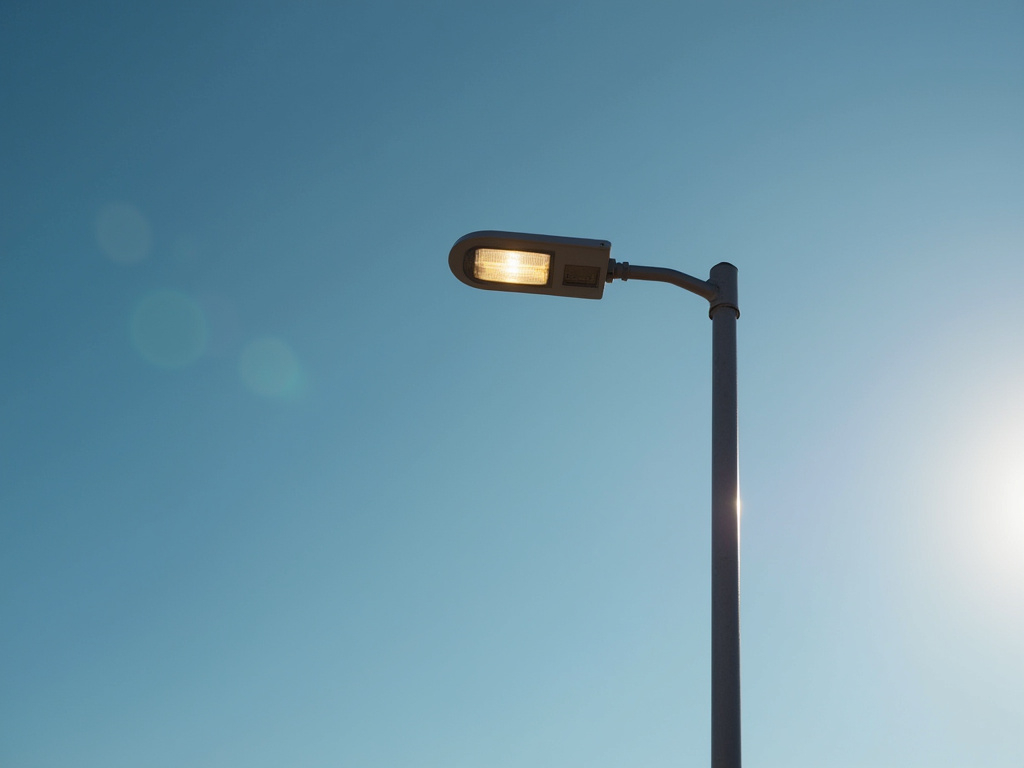
In many communities, the transition to sustainable and cost-effective lighting solutions is becoming increasingly essential. Among the various options, Solar Street Lights have emerged as a game-changer, offering not only environmental benefits but also financial savings and enhanced safety. However, determining when your community truly needs to adopt these lights involves a nuanced understanding of several key factors.
Identifying the need for Solar Street Lights goes beyond merely noticing dimly lit areas. It requires evaluating the specific challenges and goals of your community. For instance, areas with high pedestrian traffic, such as bustling town centers or residential neighborhoods with limited access to utilities, can greatly benefit from Solar Street Lights. These lights not only provide illumination but also contribute to energy conservation by leveraging the power of the sun. Moreover, communities facing budget constraints can find Solar Street Lights particularly appealing, as they eliminate the need for expensive grid connections and reduce maintenance costs over time.
To qualify for Solar Street Lights, several criteria must be considered. What do you need to look for? Firstly, assess the average daily sunlight exposure in the area. Abundant sunlight ensures optimal energy generation for the solar panels. Secondly, evaluate the lighting requirements based on safety and aesthetic considerations. How much lighting is needed to ensure the safety of pedestrians and vehicles? Lastly, consider the local climate and environmental conditions, as these factors can impact the longevity and performance of the lights. How to choose the right Solar Street Lights involves evaluating their energy efficiency, durability, and compatibility with your community’s unique needs.
Before hiring a service provider for Solar Street Lights installation, ask critical questions. For instance, what is the estimated return on investment (ROI)? How long will it take to recoup the initial costs? Are there any maintenance contracts included? Additionally, inquire about the quality and warranty of the lights. Remember, the goal is to select lights that are not only cost-effective but also reliable and long-lasting. By considering these practical insights and asking the right questions, your community can make an informed decision, ensuring the successful integration of Solar Street Lights that enhance safety, conserve resources, and contribute to a greener future.
| Factor | What to know |
|---|---|
| Cost savings | Can save up to 60% on lighting costs over 25 years |
| Sunlight exposure | Assess average daily sunlight for optimal energy generation |
| Lighting needs | Evaluate safety and aesthetic lighting requirements for area |
| Local climate impact | Consider climate conditions affecting longevity and performance |
| Installation timeline | Well-planned implementation can be completed within weeks |
| Provider reliability | Check experience, product quality, and customer testimonials |
Implementing and Maintaining a Solar Street Light System Effectively

Implementing and maintaining a solar street light system effectively requires careful consideration of several factors to ensure its longevity and optimal performance. Solar street lights offer a sustainable and cost-efficient solution for urban lighting, but selecting the right system and avoiding common pitfalls is essential. Before embracing this technology, evaluating your specific needs and understanding the potential challenges is crucial.
One of the primary advantages of solar street lights is their ability to function independently of traditional power grids, making them highly versatile for various environments. However, what problems should you avoid with solar street lights? Firstly, inconsistent sunlight exposure can impact charging, so strategically placing panels is vital. Secondly, inadequate maintenance, such as forgetting to clean the panels, can hinder energy absorption. Regular cleaning and routine inspections are necessary to maintain optimal performance. Additionally, selecting a system with sufficient battery capacity and lighting output tailored to your area’s requirements ensures effective illumination without unnecessary energy wastage.
The cost of solar street lights varies widely depending on factors like panel efficiency, battery size, and light output. According to recent market data, the average cost per unit can range from $500 to $1500, with more advanced systems reaching higher price points. While the initial investment might seem significant, it’s important to consider the long-term savings and environmental benefits. Studies show that solar street lights can reduce maintenance costs by up to 70% compared to conventional lighting systems over a five-year period. Moreover, many governments and local authorities offer incentives and grants to encourage the adoption of renewable energy solutions like solar street lights.
By carefully planning and maintaining your solar street light system, you can do away with the pesky issues associated with traditional lighting infrastructure. From optimizing panel placement to regular upkeep, these measures ensure that your investment delivers consistent, reliable illumination while contributing to a greener future.
Frequently Asked Questions About signs you need Solar Street Lights
What are solar street lights?
Solar street lights are outdoor lighting systems that utilize renewable energy from the sun, stored in batteries during daylight hours, to power LED lights at night. They are an eco-friendly alternative to traditional grid-connected lighting, offering a sustainable and cost-effective solution for public illumination.
When is it appropriate to install solar street lights?
Solar street lights are ideal for remote or hard-to-reach areas without access to a power grid. They are particularly useful in rural communities, parks, highways, parking lots, and any location where reliable electricity supply is challenging. The decentralized nature of solar lighting makes it a flexible option for various applications.
How do solar street lights work?
These lights operate on a simple principle: photovoltaic (PV) panels capture sunlight during the day and convert it into electrical energy, which is stored in rechargeable batteries. At night, when there’s no sunlight, the stored energy powers LED lamps, providing illumination. Advanced controls ensure efficient energy usage and longer light duration.
Are solar street lights cost-effective?
Absolutely! While the initial installation costs might be higher than traditional lighting, solar street lights offer long-term savings. They eliminate electricity bills and reduce maintenance expenses since there are no moving parts or complex wiring systems. The low operational costs make them a financially viable option over time.
How do I choose the right solar street light for my needs?
Selecting the appropriate solar street light depends on several factors, including lighting requirements, environmental conditions, and budget. Consider aspects like lumens (light output), battery capacity, weather resistance, and mounting options. Consulting with professionals or reviewing product specifications can help ensure you make an informed decision tailored to your specific application.
Can solar street lights be maintained?
While solar street lights are designed for low maintenance, periodic cleaning and inspections are recommended to ensure optimal performance. This includes cleaning the PV panels, checking battery health, and replacing any faulty components. Most systems come with remote monitoring capabilities, making it easier to identify and address issues promptly.
Are solar street lights environmentally friendly?
Yes, these lights contribute significantly to environmental sustainability. By relying on renewable energy from the sun, they reduce carbon emissions and minimize the ecological impact associated with traditional lighting. Additionally, their long lifespan and reduced need for replacement make them an eco-conscious choice.
Solar Street Lights offer a sustainable and cost-effective solution for communities seeking improved lighting and safety. By understanding the benefits, such as reduced energy costs and environmental impact, and identifying specific needs like poorly lit areas or budget constraints, communities can make informed decisions. Effective implementation involves strategic placement, charge controllers, and regular maintenance. Embracing these practices ensures optimal performance and longevity of the system. Moving forward, adopting Solar Street Lights not only illuminates our paths but also paves the way for a greener and more resilient future.