
Key Takeaways
- Consider your lighting needs and environment to select the appropriate lumen output and wattage.
- Solar street lights with durable, high-quality panels will have a longer lifespan and better performance.
- Choose lights with adjustable mounting heights to optimize lighting coverage and reduce glare.
- Look for sensors that detect motion or daylight to ensure energy efficiency and reduce maintenance.
- Compare warranty periods to ensure peace of mind and easy replacement if necessary.
- Incorporate smart features like remote monitoring and control for easier management and troubleshooting.
- Prioritize local regulations and requirements for permitting and compatibility with existing infrastructure.
When choosing solar street lights, consider location and lighting needs. Look for models with adjustable panels to capture maximum sunlight. Ensure they have enough batteries for your area’s darkness duration and choose a reputable brand for quality and warranty. Check local regulations too, as permissions may be needed for installation.
The shift towards sustainable and renewable energy solutions has led to a growing interest in Solar Street Lights as a viable alternative to traditional lighting infrastructure. As communities and urban areas seek more eco-friendly options, understanding how to choose the right Solar Street Light becomes paramount. This article provides an in-depth guide to navigate the selection process, ensuring you make an informed decision. We’ll explore key factors, performance metrics, and practical considerations to help you implement Solar Street Lights effectively, contributing to a brighter and more sustainable future.
- Understanding Solar Street Light Basics
- Evaluating Location and Energy Needs
- Selecting the Right Solar Street Light Model
Working With a Trusted light in
Looking for solar street light in , ? solar street lights for sale serves the local area and can answer questions specific to .
Understanding Solar Street Light Basics
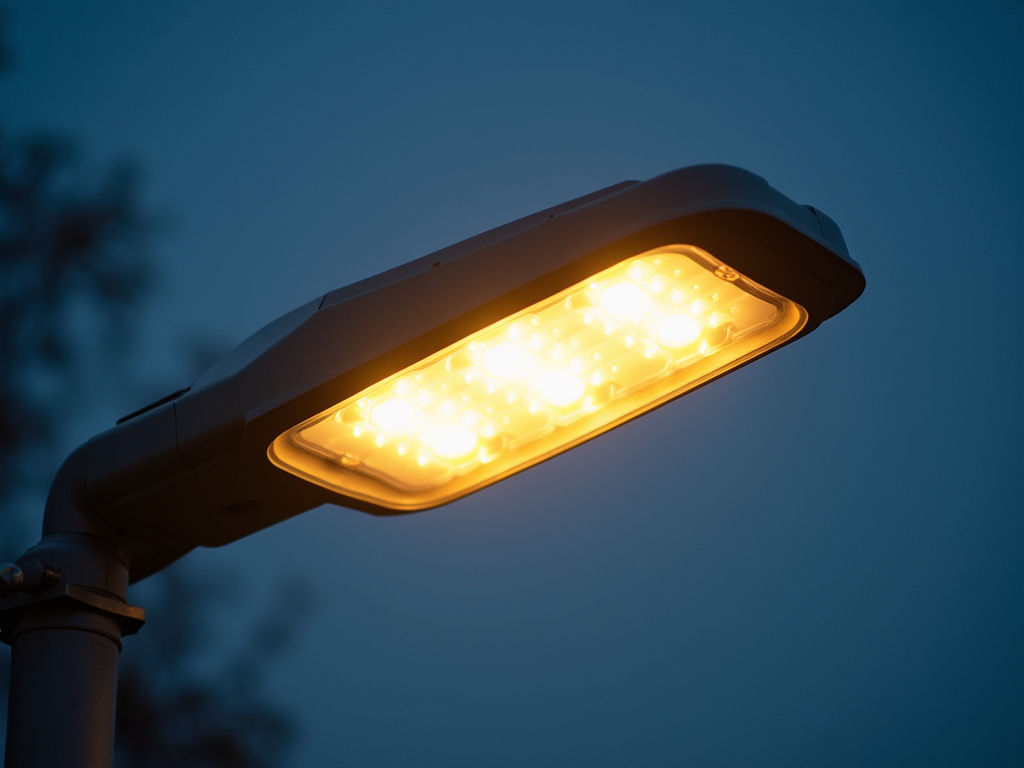
Choosing the right solar street lights involves understanding their fundamentals. Solar street lights are powered by photovoltaic panels that capture sunlight during the day and convert it into electricity for illumination at night. They’re a sustainable alternative to traditional grid-connected lighting, offering environmental benefits and reduced operational costs over time. Key factors in selecting these lights include your area’s typical weather patterns, available sunlight, required light levels, and desired mounting height.
Assessing your specific needs is crucial before adopting solar street lights. Signs you might need them include increasing energy costs, a commitment to sustainability, or poorly lit public spaces. These lights are particularly beneficial in remote areas without access to grid electricity or for applications where power disruptions could disrupt essential services. However, it’s important to note that they may require a higher upfront investment compared to conventional street lights but can deliver long-term savings and reduced carbon footprints.
When comparing options, consider the type of solar panel technology, LED efficiency, and battery capacity. Modern amorphous silicon panels offer higher efficiencies in low-light conditions, while super bright LEDs ensure optimal light output. High-capacity batteries with advanced charging algorithms extend runtime during periods of limited sunlight. Additionally, exploring alternatives like smart lighting controls and remote monitoring systems can maximize energy efficiency and the lifespan of your solar street lights.
Evaluating Location and Energy Needs
Choosing the right Solar Street Lights involves a meticulous evaluation of your location’s unique energy needs. While the initial allure lies in their environmental friendliness and reduced maintenance, understanding your specific requirements is crucial for a successful implementation.
First, assess the lighting demands of your area. Consider factors like: traffic volume, pedestrian activity, and the desired lighting level. Residential streets may require a softer, more diffused light, while heavily trafficked urban avenues demand brighter, more intense illumination. For instance, a quiet suburban street might suffice with 500-1000 lumens per light, while a bustling city road may necessitate 2000 lumens or more. Secondly, examine the available sunlight. Solar panels require ample access to direct sunlight for optimal charging, so areas with frequent cloud cover or significant shade may not be ideal candidates. You’ll also want to consider the time of year; in winter months, shorter daylight hours mean less charging time for the solar panels.
What exactly does a Solar Street Light include? Beyond the light fixture itself, a typical system comprises solar panels, a battery storage unit, and a control system. The panels absorb sunlight and convert it into electricity, which powers the light during the night. A robust battery allows the light to function even during periods of no sunlight, ensuring consistent illumination. Advanced control systems optimize charging and lighting output based on environmental conditions. By understanding these core components and their interaction, you can make an informed decision about whether Solar Street Lights are actually needed for your location—and if so, the best configuration to meet those needs.
Selecting the Right Solar Street Light Model
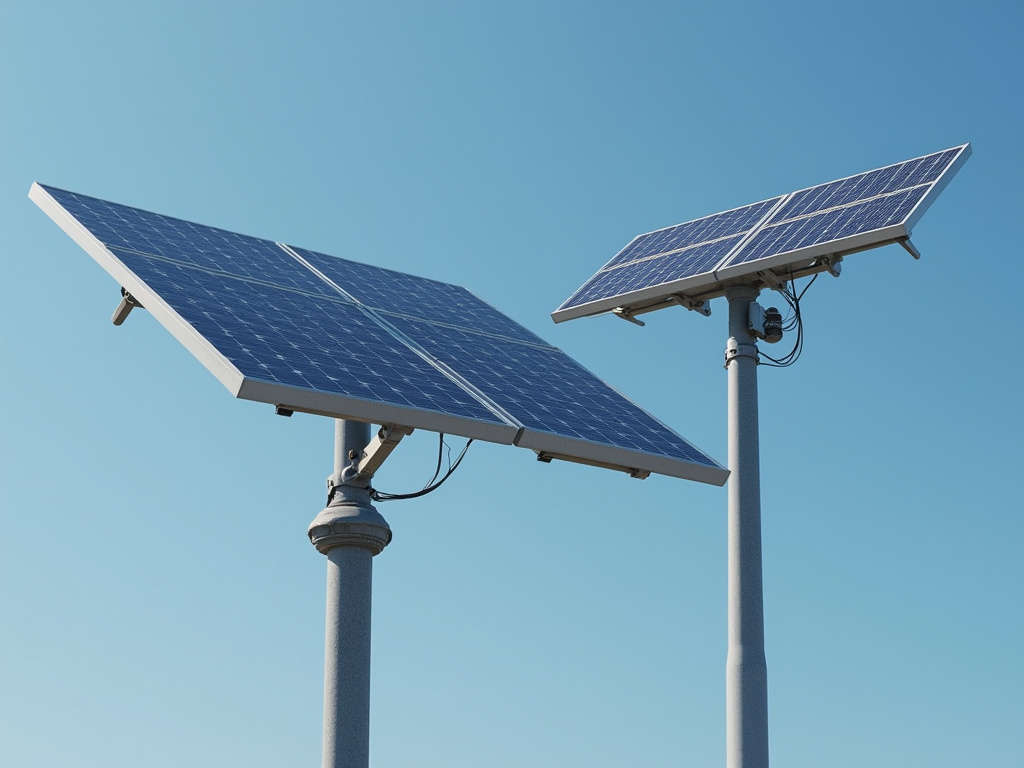
Choosing the right solar street light model is a crucial step in ensuring your outdoor lighting needs are met efficiently and sustainably. Before diving into selection, it’s essential to consider whether you actually need solar street lights and what signs indicate their necessity. Factors such as remote or rural locations, frequent power outages, or areas with limited access to traditional electricity can be strong indicators that solar street lights could significantly benefit your space. These lights not only offer a green alternative to conventional lighting but also save on energy costs and maintenance over time.
The market offers a wide array of solar street light models, each designed for specific applications and environments. Key factors to consider include luminosity (measured in lumens), which dictates the brightness of the light; installation height, important for maximizing light distribution; and battery capacity, directly influencing the lighting duration between charges—a factor that varies based on weather conditions and usage patterns. For instance, a high-capacity battery might last 3-5 days during optimal conditions, but this can drop to 1-2 days in colder or cloudier climates. Understanding these aspects allows you to select a model suited to your specific needs and environment.
Additionally, understanding the charging cycle of solar street lights is paramount. These systems rely on sunlight for charging, so factors like daily sun exposure, seasonal changes, and local weather patterns significantly impact performance. Many modern models come equipped with advanced charge controllers that optimize energy absorption, ensuring efficient charging even under less-than-ideal conditions. When selecting a model, consider how long it takes to fully charge the battery, keeping in mind that this can vary widely based on factors discussed above. By carefully evaluating these aspects, you can make an informed decision and choose a solar street light model that provides reliable, eco-friendly illumination for years to come.
Frequently Asked Questions About how to choose Solar Street Lights
What are the key factors to consider when choosing Solar Street Lights?
When selecting solar street lights, consider location, lighting requirements, and environmental conditions. Evaluate the area’s average daily sunlight hours, the need for illumination (security, pedestrian, or vehicle traffic), and potential obstacles like trees or buildings that might cast shadows. Additionally, check the weather resistance and temperature tolerance of the lights to ensure they can withstand local conditions.
How do I determine the right luminosity for my street lights?
Luminosity, measured in lumens (lm), indicates light intensity. For streets, luminosity requirements vary based on width and traffic volume. A good rule of thumb is 50-150 lumens per square meter for residential areas and 200-300 lumens for main roads and high-traffic zones. Consider the lighting design and choose lights with adjustable brightness settings for energy efficiency and versatility.
Do solar street lights require maintenance, and how often?
Solar street lights generally require minimal maintenance. Regular cleaning of the panels is essential to maintain optimal sunlight absorption. Depending on the environment, cleaning might be needed every few months. Other than that, focus on periodic checks for any damage or malfunction. Most manufacturers recommend annual inspections to ensure the system operates efficiently.
Can solar street lights be integrated with smart home systems?
Absolutely. Many modern solar street lights are equipped with smart features, allowing integration with home automation systems. Look for lights with Wi-Fi or Bluetooth connectivity, enabling remote control, scheduling, and real-time monitoring. This integration can enhance security and convenience, letting you adjust lighting levels or receive alerts from anywhere.
What are some energy-saving features to look for in solar street lights?
To maximize energy efficiency, seek lights with advanced photoelectric components, such as high-efficiency solar panels and LED bulbs. Automatic light control mechanisms, including motion sensors or daylight sensors, are energy-saving features that ensure lights only operate when needed. Some models offer adjustable brightness levels, further conserving energy during lower-traffic periods.
How do I ensure the solar street lights are durable and weatherproof?
Look for lights constructed with durable materials, such as die-cast aluminum or stainless steel, which offer excellent corrosion resistance. Weatherproof ratings (IP65 or higher) indicate protection against dust and water projection, ensuring longevity in various weather conditions. Check the manufacturer’s specifications for temperature ranges and environmental ratings to guarantee the lights can withstand local weather patterns.
Choosing the right Solar Street Lights involves a strategic approach that begins with understanding basic principles, accurately evaluating location-specific energy needs, and selecting models designed for optimal performance. Key insights highlight the importance of assessing sunlight exposure, understanding seasonal variations, and matching light output to coverage areas. The article emphasizes the environmental benefits and cost savings associated with solar street lighting while offering practical guidance on choosing durable, weatherproof designs suited to various installations. By integrating these strategies, homeowners, businesses, and urban planners can leverage the power of Solar Street Lights for sustainable, efficient illumination solutions.