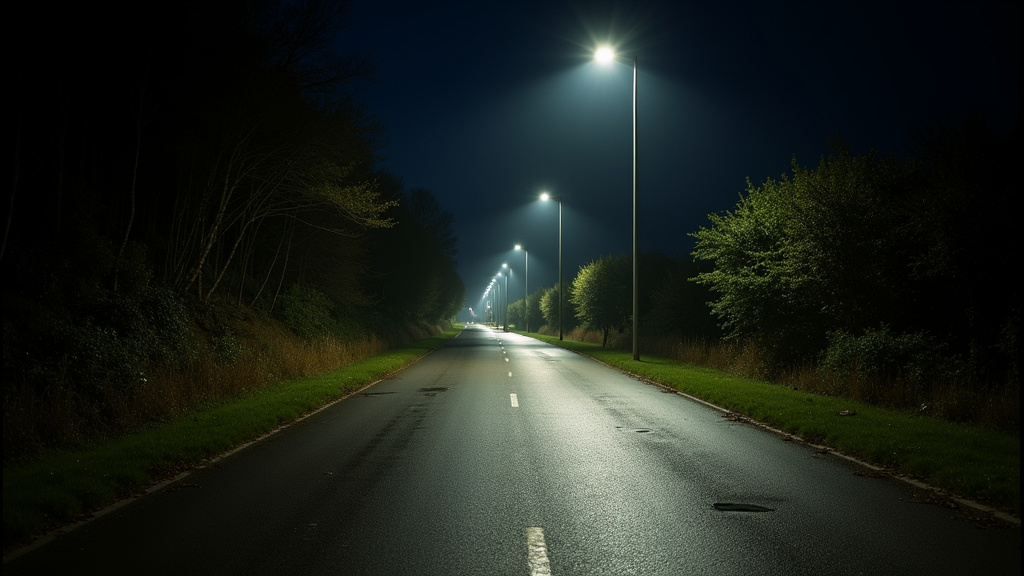
At a glanceChoosing solar street lights? Consider light output (lumens), coverage area, and battery capacity for consistent lighting. Check the weather resistance rating (IP65 or higher) for durability. Review customer reviews and select lights with a warranty for long-term peace of mind.
Key Takeaways
- Consider your location’s sunlight exposure and lighting requirements to determine the suitable panel efficiency and light output.
- Evaluate energy storage needs based on your area’s weather patterns and desired lighting duration after sunset.
- Choose between lead-acid, lithium-ion, or other battery types based on cost, lifespan, and environmental impact.
- Integrate smart features like motion sensors and dimmable lights for enhanced efficiency and security.
- Prioritize warranties and after-sales support to ensure peace of mind and easy replacements if needed.
- Factor in initial installation costs alongside long-term savings on electricity bills for a comprehensive ROI analysis.
With energy costs rising and environmental concerns growing, the transition to renewable energy sources has become a pressing priority for communities worldwide. Solar Street Lights emerge as a pivotal solution, offering not only sustainable illumination but also enhanced safety and aesthetic appeal. However, choosing the right Solar Street Light can be daunting given the diverse options available. This article guides you through the essential factors—from lighting requirements and system efficiency to weatherproofing and maintenance—to ensure an informed decision for your community’s bright and eco-friendly future.
Understanding Solar Street Light Basics
Solar Street Lights in : Where to Start
Looking for solar street lights in ? the team at Solar Path USA serves the local area and can answer questions specific to .
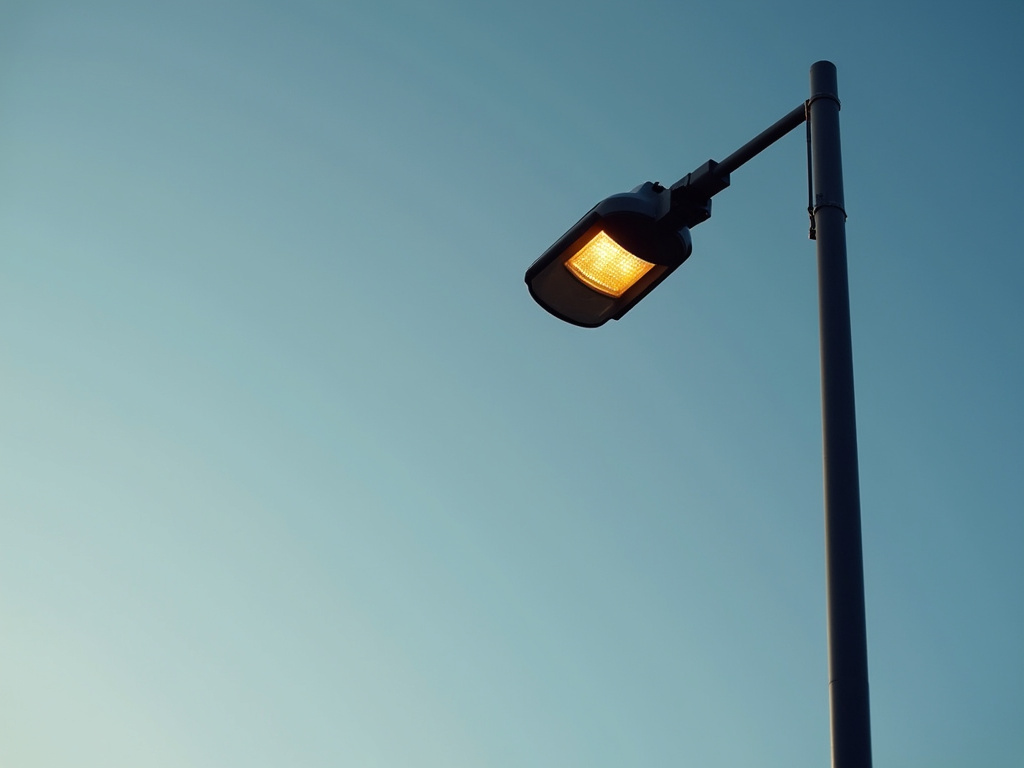
Choosing the right Solar Street Lights involves understanding their fundamentals and evaluating key components. Solar Street Lights are powered entirely by sunlight, storing energy during the day through photovoltaic (PV) panels and releasing it at night via LED bulbs. This renewable approach offers significant advantages, including reduced carbon footprint and lower maintenance costs compared to traditional grid-tied lighting.
When considering how to choose a Solar Street Light provider, look for companies offering high-quality products with efficient components. The core elements of a Solar Street Light system include the PV panel, battery, controller, and LED light fixture. Each component plays a crucial role: PV panels absorb sunlight and convert it into electricity; batteries store this energy for use during periods of low or no sunlight; controllers regulate the flow of power from the panels to the batteries and lights; and LED fixtures provide bright, durable illumination.
While Solar Street Lights are an excellent option, they may not be suitable for every location or need. Alternatives include traditional electric streetlights, which offer immediate lighting but contribute to higher energy bills and carbon emissions. Another option is battery-powered lights with replaceable batteries, ideal for areas with intermittent sunlight access. Understanding these alternatives allows for informed decisions, ensuring the chosen solution aligns with specific requirements in terms of light output, duration, and budget. Data from industry reports indicates that Solar Street Lights can save up to 80% on energy costs compared to conventional lighting over a five-year period, making them an increasingly attractive and sustainable choice for urban areas and remote locations alike.
Evaluating Location Suitability for Solar Lighting
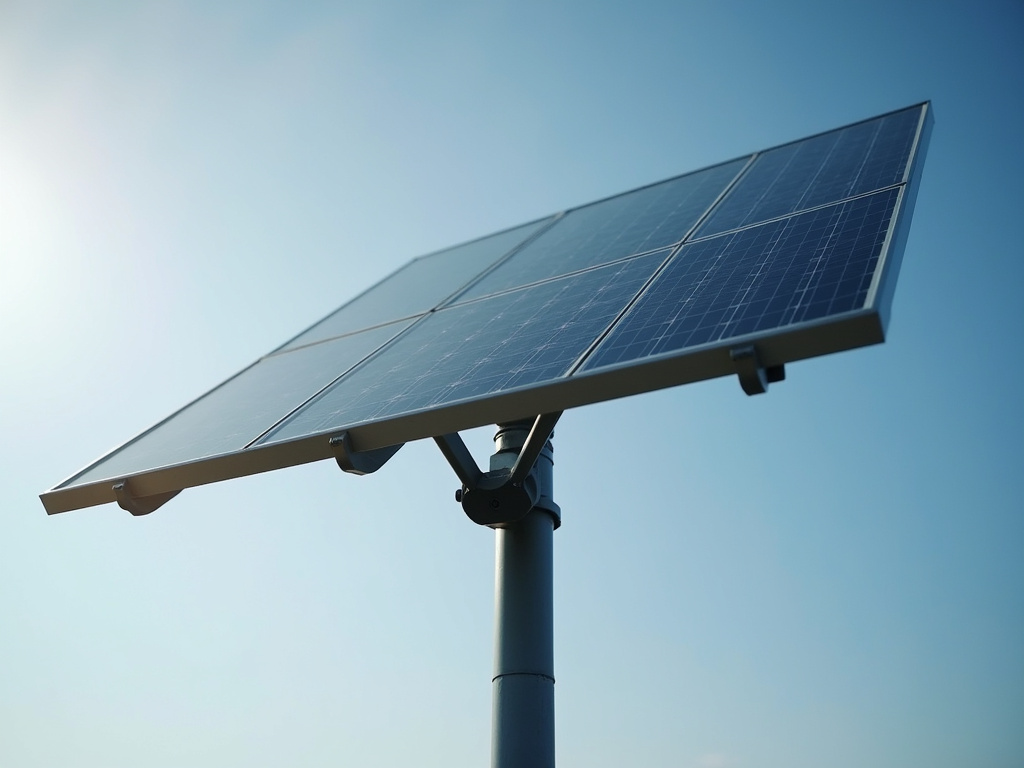
Choosing the right location for solar street lights is a crucial step in ensuring their effectiveness and longevity. Solar street lights, known for their energy efficiency and reduced carbon footprint, are becoming increasingly popular as cities and towns look to adopt more sustainable lighting solutions. However, not every area is equally suited for this technology. Before investing in solar street lights, it’s essential to evaluate the location’s suitability, considering various environmental and logistical factors.
One of the primary considerations is sunlight exposure. Solar panels rely on direct sunlight to generate power, so areas with consistent high sun exposure throughout the year are ideal. Cities or neighborhoods situated near bodies of water or in dense urban areas might experience blocked sunlight due to buildings or trees, which can impact the overall performance and efficiency of solar street lights. It’s worth noting that data from various studies shows that locations with at least 5 hours of unobstructed sunlight daily are generally suitable for solar power applications, including street lighting.
Another critical aspect is the local climate. Extreme weather conditions, such as heavy snowfall or consistent high winds, can affect the performance and longevity of both the lights and their components. In regions with harsh winters, proper planning and maintenance strategies are necessary to protect the solar panels and ensure they continue to function optimally throughout the year. For instance, in areas prone to heavy snowfall, mounting angles and designs should be chosen to minimize snow accumulation, and regular cleaning schedules may be required. Additionally, when considering is Solar Street Lights worth it? for your location, you must evaluate energy costs and potential savings over time, factoring in local climate conditions that could impact performance.
Lastly, consider the maintenance requirements of the area. Remote or hard-to-reach locations might make maintenance a challenge, as scheduling repairs or replacing components can be logistically difficult and more expensive. On the other hand, areas with established infrastructure and regular maintenance routines can facilitate smoother operations for solar street lights. When deciding when should you hire Solar Street Lights, assessing the current state of lighting infrastructure and the local authority’s commitment to maintaining renewable energy solutions is paramount. To qualify for solar street light installations, local governments or property managers need to evaluate these factors, ensuring that their chosen locations not only meet but exceed the potential benefits of transitioning to this green technology.
| Factor | What to know |
|---|---|
| Light output | Consider lumens, coverage area, and battery capacity for consistent lighting |
| Weather resistance | Check for IP65 or higher rating for durability |
| Sunlight exposure | At least 5 hours of unobstructed sunlight daily is generally suitable |
| Battery type | Choose lead-acid, lithium-ion, or other based on cost, lifespan, impact |
| Smart features | Integrate motion sensors and dimmable lights for efficiency and security |
| Energy savings | Can save up to 80% on energy costs over five years |
Choosing the Right Solar Street Light System
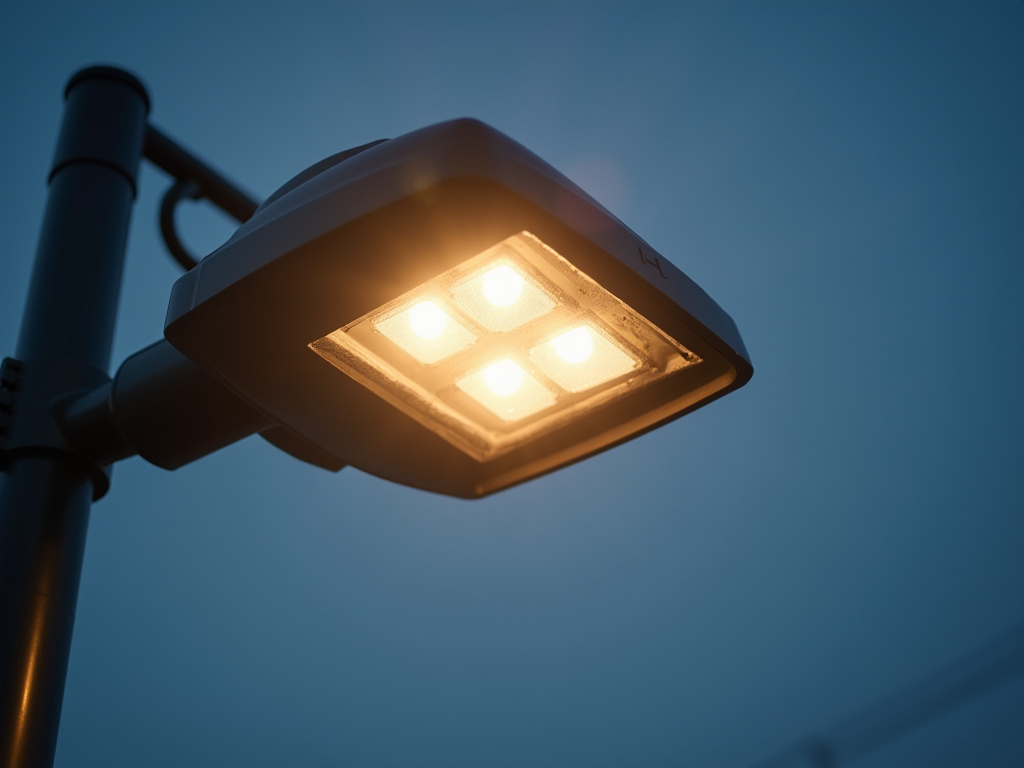
Choosing the right solar street light system involves understanding your specific needs, local conditions, and available technologies. While solar street lights offer significant advantages—such as reduced energy costs and lower environmental impact—they are not always the optimal solution for every location. Before making a decision, consider whether traditional or alternative lighting systems might be more suitable, especially in areas with ample daytime sunlight or existing grid electricity. For instance, in remote rural communities or developing nations where grid infrastructure is limited, solar street lights can provide reliable and cost-effective illumination.
Key components of a solar street light system include solar panels, batteries, controllers, and lighting fixtures. Solar panels capture sunlight during the day and convert it into energy, which is stored in batteries for use at night. Controllers regulate the charging and discharging of these batteries to ensure optimal performance and longevity. Lighting fixtures range from traditional LED lights to more advanced models with motion sensors or adjustable brightness levels. When selecting a system, look for products certified by reputable organizations that guarantee efficiency, durability, and safety.
To ensure you make an informed choice, assess your street’s lighting requirements, such as desired light level, coverage area, and operational duration. Consider factors like weather conditions, nearby vegetation, and traffic volume. For instance, busier roads or intersections may necessitate brighter lights with faster motion detection to enhance safety. Additionally, consult local regulations and guidelines regarding outdoor lighting to avoid unnecessary glare or energy waste. By carefully evaluating these aspects, you can select a solar street light system that meets your community’s needs while promoting sustainability.
Frequently Asked Questions About how to choose Solar Street Lights
What are the key factors to consider when choosing solar street lights?
When selecting solar street lights, several crucial factors come into play. Firstly, assess your lighting needs and the size of the area you wish to illuminate. Consider the lumens (brightness) required for optimal visibility. Secondly, evaluate the quality of the solar panels; efficient, high-quality panels will improve overall performance. Thirdly, check battery capacity and warranty periods to ensure longevity. Also, consider weather resistance and aesthetic design to blend seamlessly with your surroundings.
How do I determine the right lumens for my street lights?
Lumens measure brightness, so determining the appropriate level depends on your application. For well-lit streets, aim for 800-1200 lumens per light. Narrow roads or areas with minimal pedestrian traffic might require lower lumens. It’s essential to balance lighting effectiveness and energy efficiency; more lumens don’t always mean better visibility—it’s about targeted illumination.
Are solar street lights suitable for all weather conditions?
Absolutely! Solar street lights are designed to withstand various weather conditions, from rain to snow. Look for IP65 or higher rating for water and dust resistance. The materials used should ensure durability in harsh environments. However, extreme temperatures can impact battery performance, so consider your region’s climate when selecting the right lighting system.
Can I install solar street lights myself?
Installation complexity varies, but many modern solar street light systems are designed for DIY installation. They come with detailed instructions and all necessary components. While it’s doable for some, complex setups might require professional help. Ensure you understand your capabilities and local regulations before attempting installation.
How often do I need to maintain solar street lights?
Minimal maintenance is a significant advantage of solar street lights. Regular cleaning of the panels is essential for optimal energy absorption. Most systems last 5-10 years with minimal upkeep. Check batteries periodically, replace any faulty components, and ensure panels are free from obstructions or damage for efficient operation.
Choosing the right Solar Street Lights involves a thoughtful synthesis of understanding key basics, evaluating location suitability, and selecting the optimal system. By grasping the fundamentals of solar energy and its application in street lighting, you can make informed decisions. Location plays a crucial role; optimal sunlight exposure and environmental conditions are essential for efficient charging. When selecting a system, consider factors like light output, battery capacity, and weather resistance to ensure longevity and effectiveness. This article equips readers with the knowledge to navigate the market, making informed choices for sustainable and efficient street lighting solutions.