
Key Takeaways
- Solar street lights offer a sustainable and cost-effective solution for public lighting.
- They can significantly reduce energy consumption and carbon emissions compared to traditional lighting.
- Initial installation costs can be high, but long-term savings make them a financially viable option.
- Solar panels must be placed in areas with consistent sunlight exposure for optimal charging.
- Maintenance requirements are generally low, making them ideal for remote or hard-to-reach locations.
- They contribute to improved safety and security by providing reliable lighting throughout the night.
- Their environmental benefits include reduced light pollution and preservation of natural habitats.
At a glanceSolar street lights harness the power of the sun to illuminate public spaces. They operate independently, charging during the day and lighting up at night, reducing electricity costs and environmental impact. This renewable energy solution is ideal for remote areas and contributes to a brighter, more sustainable future.
In the pursuit of sustainable and efficient urban lighting solutions, Solar Street Lights have emerged as a game-changer. With the growing need to reduce energy consumption and environmental impact, these lights offer a promising alternative to conventional street lighting. However, the transition to Solar Street Lights is not without challenges. This article delves into the intricacies of this technology, exploring its benefits, such as reduced carbon footprint and lower maintenance costs, while addressing common hurdles like initial installation costs and variability in solar energy production. By the end, readers will gain a comprehensive understanding of Solar Street Lights, empowering them to make informed decisions in this rapidly evolving landscape.
Solar Street Lights in : Where to Start
Looking for solar street lights in ? solar street lights for sale serves the local area and can answer questions specific to .
Understanding Solar Street Lights: Benefits and Technology
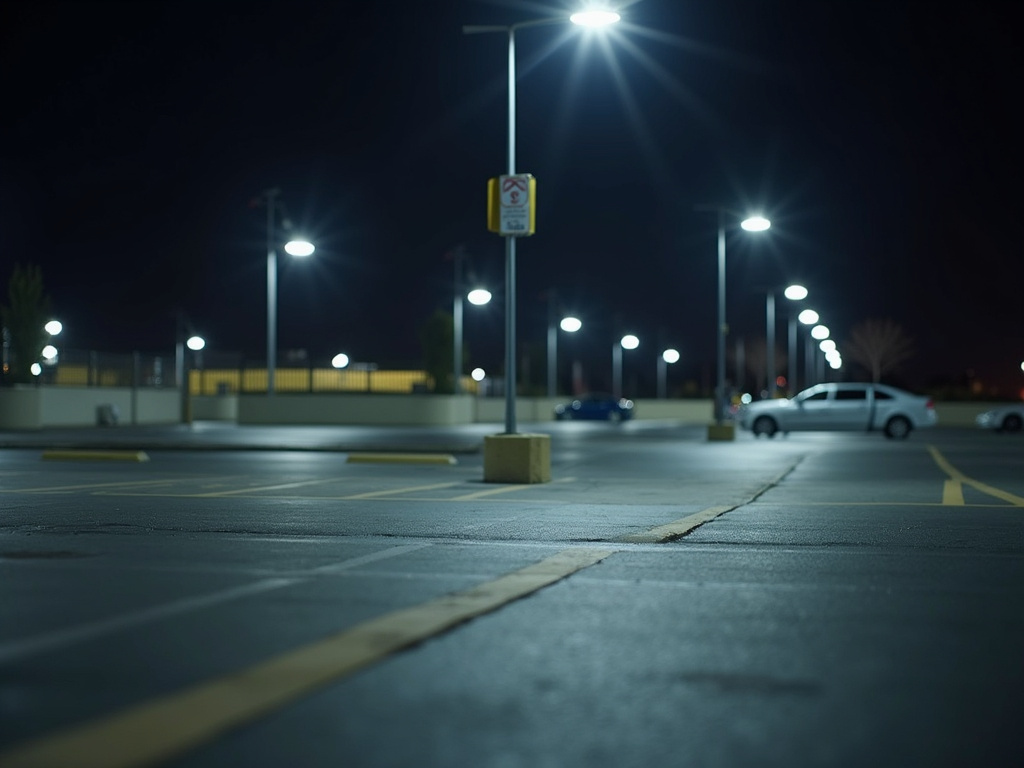
Solar Street Lights represent a significant advancement in outdoor lighting technology, offering a sustainable and efficient alternative to traditional power-dependent streetlights. Their growing popularity stems from a combination of benefits that span environmental conservation, cost savings, and improved safety. These lights harness solar energy during the day through photovoltaic panels integrated into their design, converting sunlight into electricity which is stored in batteries for nighttime use. This self-charging mechanism eliminates the need for grid electricity, significantly reducing operational costs and carbon footprints.
One of the primary advantages of Solar Street Lights is their ability to provide reliable illumination in remote or hard-to-reach areas where traditional infrastructure may be impractical or costly to install and maintain. For instance, rural communities, parks, and public spaces can benefit from the consistent lighting they offer, enhancing security and accessibility without the need for extensive wiring or utility connections. Moreover, these lights are designed to withstand various weather conditions, ensuring longevity and reliability over time.
When considering Solar Street Lights, several factors come into play. Firstly, understanding your location’s average daily sunlight hours is crucial in determining the energy generation potential. Areas with higher sunlight exposure will generally experience longer battery life between charges. Additionally, evaluating the lighting requirements for the specific area, such as street width and pedestrian traffic, will help in selecting the appropriate light output and design. Before hiring or purchasing Solar Street Lights, it’s essential to ask about warranty coverage, maintenance needs, and average energy costs over time. For instance, inquiring about the estimated annual savings compared to traditional lighting can provide valuable insights into the long-term financial benefits of this technology.
Choosing the Right Solar Street Light: Factors to Consider
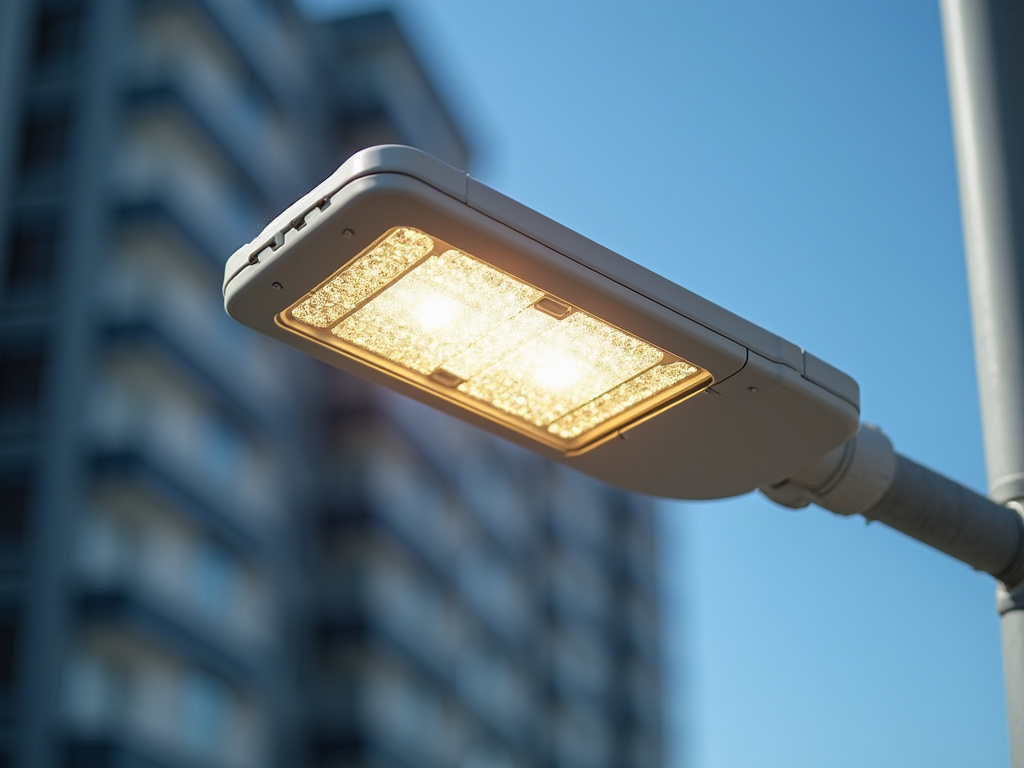
Choosing the right solar street light involves a thoughtful balance between technical specifications, environmental considerations, and budget constraints. To ensure a robust and effective solution, it’s crucial to assess factors such as lumens (measuring light output), wattage (power consumption), and the light distribution pattern (angle and shape of the beam). For instance, a broader beam angle is suitable for evenly lighting a large area, while a narrower one is ideal for focused, targeted illumination. Additionally, consider the weather resistance and durability of the fixture, given the exposure to varying weather conditions.
When selecting a solar street light provider, it’s essential to ask the right questions. Inquire about their experience in the industry, the quality of their components, and the warranty they offer. Reputable providers should be able to provide case studies or testimonials from satisfied clients. The installation process is another critical aspect. Understand what the process involves, from site assessment to final commissioning, and ensure the provider has a proven track record of successful implementations. For instance, a comprehensive solar street light project should include a detailed design, site preparation, panel and fixture installation, system testing, and maintenance planning.
Furthermore, the cost and return on investment (ROI) should be carefully considered. While the upfront costs can vary widely, long-term savings through reduced energy consumption and maintenance make solar street lights a compelling option. Compare quotes from different providers, taking into account not just the price but also the quality and performance guarantees. Data from industry sources suggests that solar street lights can reduce energy costs by up to 70% compared to traditional grid-powered lighting, with a typical payback period of 3 to 5 years.
Before finalizing your decision, assess the local regulations and permissions required for installation. Consult with local authorities to ensure your chosen solar street light solution complies with all necessary codes and standards. Additionally, consider the environmental impact, particularly in ecologically sensitive areas, to ensure the lights minimize disruption to local ecosystems. By carefully evaluating these factors, you’ll be well on your way to selecting the perfect solar street light for your needs.
| Factor | What to know |
|---|---|
| Sunlight exposure | Average daily sunlight hours determine energy generation and battery life |
| Light output specs | Check lumens, wattage, and beam distribution pattern for area needs |
| Energy cost savings | Can reduce energy costs by up to 70% vs grid lighting |
| Payback period | Typical ROI payback period is 3 to 5 years |
| Provider vetting | Ask about experience, component quality, warranty, and past case studies |
| Local regulations | Confirm codes, permissions, and ecological impact before installation |
Installation, Maintenance, and Future of Solar Street Lights

The installation of solar street lights involves careful consideration of various factors to ensure optimal performance and longevity. Initially, site assessment is crucial; factors such as sunlight exposure, weather conditions, and existing infrastructure must be evaluated. Proper placement of panels and lighting fixtures is essential for harnessing maximum solar energy. Once installed, these lights offer significant advantages, including reduced maintenance costs and environmental impact. Regular cleaning and inspection are still necessary to prevent debris buildup and ensure the efficient functioning of the panels.
When it comes to choosing a provider for solar street lights, it’s important to consider their expertise, portfolio, and customer feedback. Reputable companies should provide detailed specifications, warranties, and after-sales support. Additionally, understanding the local regulations and incentives related to renewable energy adoption is vital. Potential pitfalls to avoid include poor-quality components, inadequate system design, and insufficient warranty coverage. Ensure that the provider offers a comprehensive solution, addressing not just installation but also maintenance and potential future upgrades.
The future of solar street lights appears promising, driven by advancements in technology and increasing environmental awareness. Recent innovations have led to more efficient panels, longer-lasting batteries, and smarter control systems. These developments enhance energy harvesting, reduce costs, and improve lighting management. As governments and communities worldwide prioritize sustainability, solar street lighting is poised to play a significant role in shaping urban landscapes. By choosing the right provider and staying informed about technological advancements, you can ensure that your solar street lights qualify for various grants and subsidies, making them a financially viable and ecologically responsible choice.
Frequently Asked Questions About Solar Street Lights
What are solar street lights?
Solar street lights are lighting fixtures that utilize renewable energy from the sun, captured by solar panels, to power LED bulbs. They are designed to illuminate public spaces, roads, and pathways, offering an eco-friendly alternative to traditional electricity-powered lighting.
How do solar street lights work?
These lights are equipped with solar panels that absorb sunlight during the day. The energy is stored in a rechargeable battery, which powers the LED bulbs at night. This technology ensures efficient energy conversion and reduces reliance on the grid, making them cost-effective and environmentally sustainable.
Are solar street lights cost-effective?
Absolutely. While the initial installation cost may be higher, solar street lights offer long-term savings. They reduce electricity bills and, in some cases, eliminate them entirely. With no need for regular maintenance or fuel, these lights provide a financially viable and sustainable lighting solution for years.
Can solar street lights operate in all weather conditions?
Solar street lights are designed to withstand various weather conditions. The panels are usually angled to optimize sunlight absorption, and the lights are built to be durable and water-resistant. However, severe weather events or prolonged cloud cover may temporarily reduce their efficiency, but they quickly recover once the weather clears.
How do I maintain solar street lights?
Maintenance is minimal. The primary task is occasional cleaning of the solar panels to ensure optimal sunlight absorption. No replacement parts are typically required, and their long lifespan reduces the need for frequent servicing. This low-maintenance nature makes them a convenient and hassle-free lighting solution.
Are solar street lights better for the environment?
Yes, they significantly reduce the carbon footprint associated with traditional street lighting. By relying on solar energy, these lights minimize greenhouse gas emissions and contribute to a cleaner environment. They are a vital step towards sustainable urban development and can help communities achieve their environmental goals.
Can solar street lights be customized for different applications?
Absolutely. Solar street lights are versatile and can be customized to meet various lighting needs. They are available in different sizes, brightness levels, and mounting options, allowing for flexibility in designing public lighting systems for parks, roads, parking lots, and more.
Solar Street Lights represent a significant advancement in sustainable outdoor lighting, offering numerous benefits such as reduced energy costs, minimal environmental impact, and self-sufficiency through harnessing solar power. The technology’s effectiveness lies in its ability to convert sunlight into electricity during the day, stored in rechargeable batteries, and utilized for lighting at night. When choosing a Solar Street Light, consider factors like lighting output, battery capacity, installation difficulty, and weather resistance to ensure optimal performance and longevity. Proper installation, regular maintenance, and advancements in technology continue to drive the growth and adoption of Solar Street Lights, positioning them as a key solution for illuminating our future. By embracing this innovative approach, communities can not only enhance safety and aesthetics but also contribute to a greener, more sustainable world.