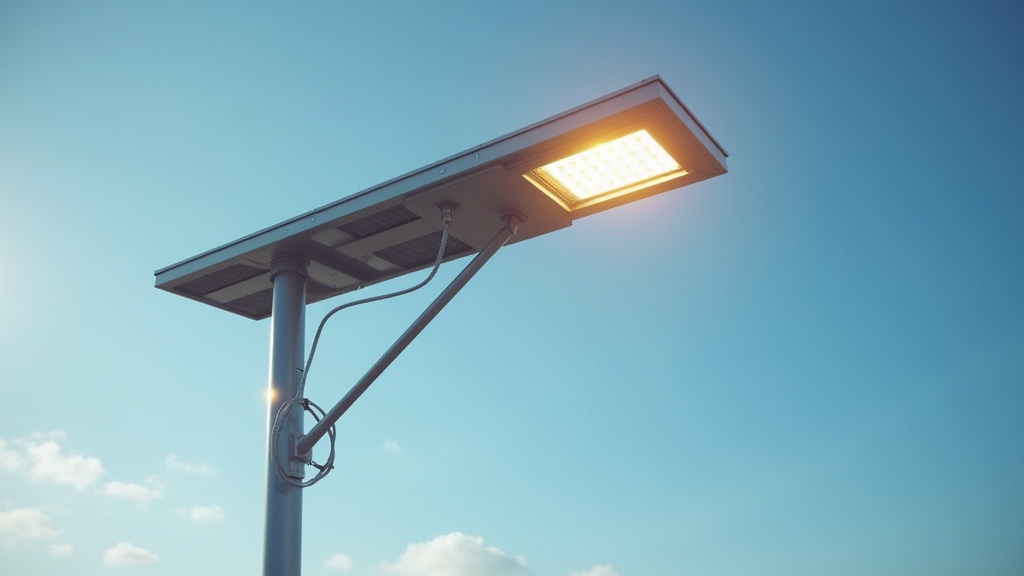
At a glanceSolar street lights harness the power of the sun to illuminate public spaces, offering a sustainable and cost-effective alternative to traditional lighting. They’re environmentally friendly, require little maintenance, and can be easily installed in various locations, enhancing safety and community aesthetics.
Key Takeaways
- Solar street lights offer a sustainable and cost-effective alternative to traditional lighting, reducing energy consumption and carbon footprint.
- They are highly efficient, utilizing solar panels to capture sunlight during the day and store energy for nighttime illumination.
- Installation is straightforward, often requiring minimal infrastructure changes, making them easily accessible and implementable.
- With no electrical connection needed, they provide flexibility in remote or hard-to-reach areas, enhancing accessibility and safety.
- Longevity is a significant advantage, with a lifespan exceeding traditional lights, reducing maintenance costs and environmental impact.
- They contribute to a cleaner environment by minimizing light pollution, preserving nocturnal ecosystems, and promoting energy conservation.
- Additionally, they can be integrated with smart technology for remote monitoring and control, enhancing efficiency and management.
In today’s world, the transition towards sustainable energy solutions has become paramount. Among the various innovations, Solar Street Lights have emerged as a game-changer in outdoor lighting. This technology offers not only a cleaner, greener alternative to traditional street lighting but also significant cost savings and enhanced security for communities worldwide. However, with a plethora of options in the market, understanding the key features and benefits of Solar Street Lights is essential for making informed decisions. This article delves into the intricacies of Solar Street Lights, providing a comprehensive guide to help readers navigate this dynamic landscape and make the best choice for their needs.
Solar Street Lights in : Where to Start
Looking for solar street lights in ? commercial solar lighting serves the local area and can answer questions specific to .
Understanding Solar Street Lights: The Basics

Solar Street lights have emerged as a sustainable and efficient solution for outdoor lighting, revolutionizing how we illuminate our public spaces and roadsides. Understanding how they work is essential to recognizing their potential benefits for communities worldwide. The process behind solar street lights involves several key components. These include high-efficiency photovoltaic (PV) panels that convert sunlight into electricity during the day, rechargeable batteries that store this energy, and LED fixtures that utilize the stored power to illuminate public areas at night.
What does the Solar Street Lights process involve? This renewable energy system operates on a simple yet powerful principle: capturing the sun’s energy and transforming it for nighttime use. When sunlight hits the PV panels, it generates direct current (DC) electricity. This DC power is then converted to alternating current (AC) through an inverter, making it suitable for standard streetlight fixtures. The excess energy generated during sunny periods charges the batteries, ensuring a reliable light source even on cloudy days or during power outages. This self-sufficient nature is one of the primary attractions of solar street lights, qualifying them as a viable solution for remote areas not connected to traditional power grids.
Signs you need Solar Street Lights are everywhere, from energy cost savings to environmental benefits and improved public safety. In recent years, there’s been a significant shift towards adopting renewable energy solutions like solar street lighting. According to a report by the International Energy Agency (IEA), the global solar streetlight market is expected to reach USD 725 million by 2025, growing at a compound annual growth rate (CAGR) of 16.3% from 2020 to 2025. This rapid expansion speaks to the increasing recognition of solar street lights as a practical and effective alternative to conventional lighting systems. By harnessing the power of the sun, communities can achieve significant energy savings, reduce their carbon footprint, and enhance the overall efficiency of public infrastructure.
Benefits and Applications: Why Choose Solar?
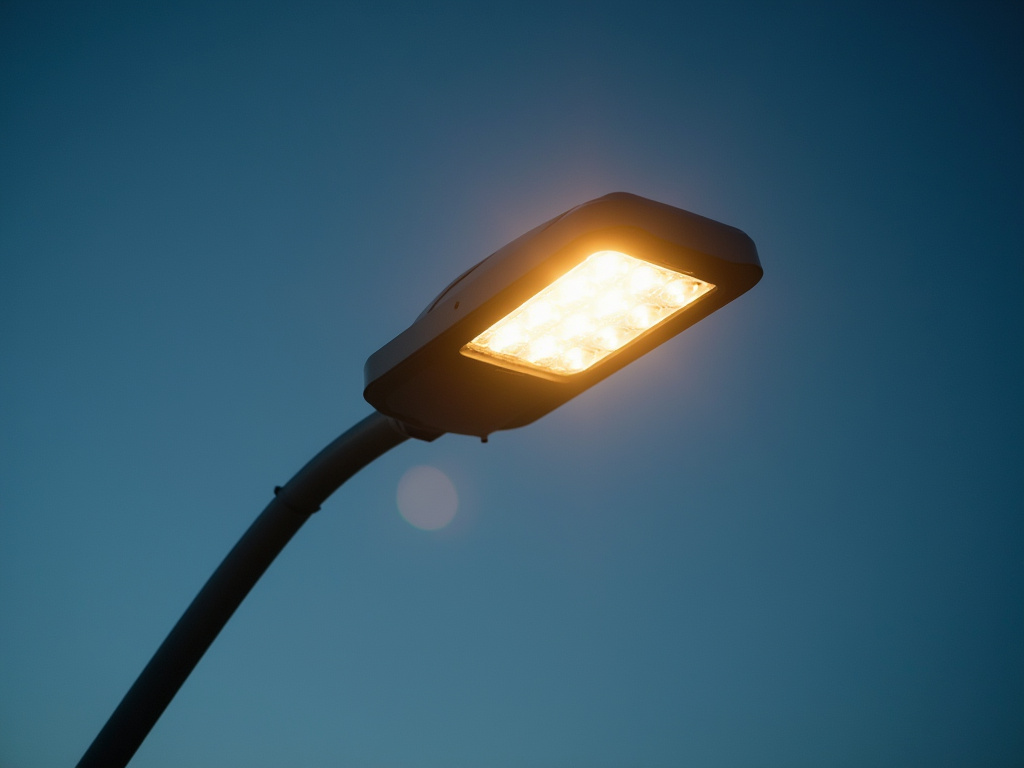
Solar Street Lights have emerged as a transformative solution for outdoor lighting, offering numerous benefits that conventional lighting methods simply cannot match. One of the most significant advantages is their environmental friendliness; powered by renewable energy, these lights significantly reduce carbon footprints compared to grid-connected alternatives. This not only contributes to sustainability goals but also translates to long-term cost savings, as Solar Street Lights eliminate the need for frequent electricity bills. Moreover, their versatility is a standout feature; suitable for residential streets, parking lots, parks, and even remote areas with no access to electrical grids, they provide reliable illumination where traditional lighting might falter.
When considering the implementation of Solar Street Lights, several factors come into play. It’s essential to assess your location’s typical sunlight exposure and weather conditions to ensure optimal performance. Additionally, understanding the maintenance requirements is vital; while Solar Street Lights require minimal upkeep, regular cleaning and occasional component replacement are necessary. The cost, a critical consideration, varies based on system size and quality; according to recent market data, the average price for a high-quality solar street light can range from $150 to $300 per unit, with installation costs varying depending on the project’s scope. Before hiring a provider, ask insightful questions like: What is the estimated energy production based on my location? How long will the system take to pay for itself? Are there any local incentives or grants available for renewable energy projects?
The decision to adopt Solar Street Lights should be informed by both immediate savings and long-term sustainability goals. Their quick installation, minimal maintenance, and reduced operational costs make them a compelling choice for property owners looking to enhance safety and security while contributing to a greener environment. For instance, many cities have successfully implemented these lights in public spaces, leading to improved visibility at night and positive community feedback. With the right planning and expertise, Solar Street Lights can illuminate your surroundings effectively while aligning with a sustainable future.
| Factor | What to know |
|---|---|
| Core components | PV panels, rechargeable batteries, and LED fixtures capture and use solar energy |
| Market growth | Global market projected to reach $725 million by 2025, 16.3% CAGR |
| Unit cost | High-quality units range from $150 to $300 each |
| Sunlight assessment | Evaluate location's sunlight exposure and weather before installation |
| Maintenance needs | Minimal upkeep needed, mainly regular cleaning and occasional part replacement |
| Suitable locations | Work well in residential streets, parking lots, parks, and remote areas |
Installation, Maintenance, and Future Trends
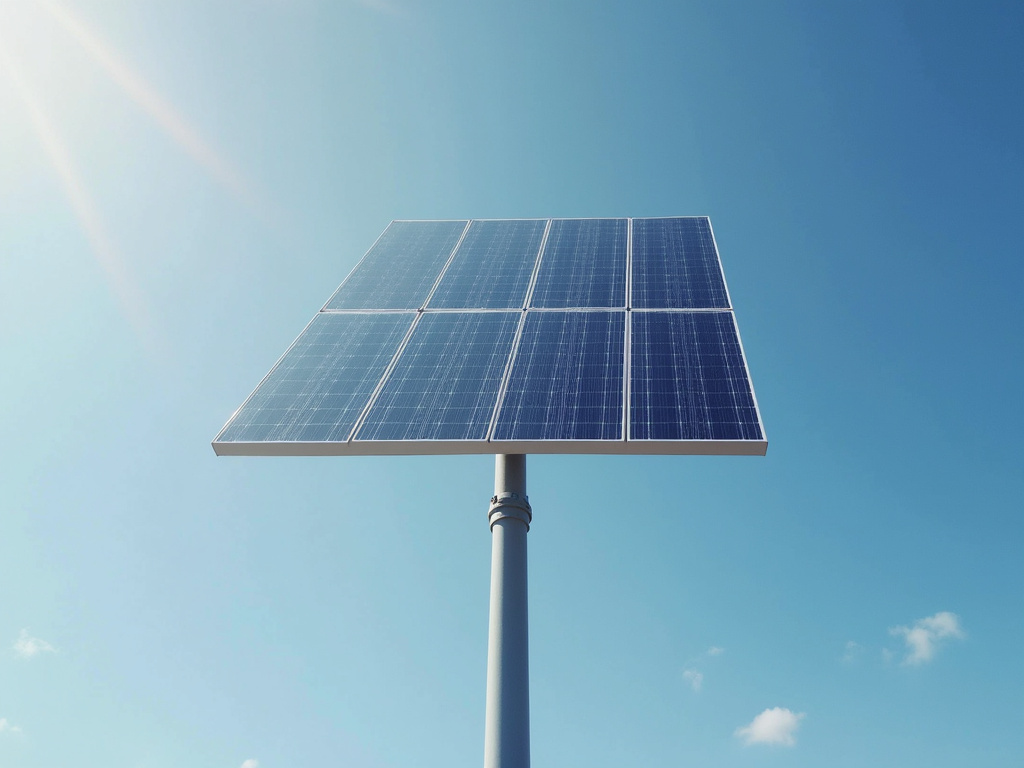
The installation of solar street lights offers a sustainable solution for urban lighting, attracting increasing attention globally. While seemingly straightforward, successful implementation requires careful planning and consideration. Before hiring a provider, it’s crucial to ask the right questions to ensure the chosen system aligns with your needs. These include understanding the local climate, energy requirements, and budget constraints. For instance, regions with higher solar exposure throughout the year will have different maintenance demands than areas experiencing seasonal shading.
What to Expect From a quality solar street light setup, you can anticipate enhanced safety through well-lit streets at night, contributing to reduced crime rates in various studies. These lights also offer environmental benefits by eliminating carbon emissions associated with traditional power sources. However, it’s essential to manage expectations regarding initial installation time and potential site adjustments. Complex landscapes or unique architectural features might require customized solutions, adding to the setup duration.
Avoiding Common Pitfalls One of the primary challenges lies in selecting lights suitable for your specific environment. Using lights designed for suburban areas in a dense urban setting could lead to inefficient lighting due to excessive shading from nearby buildings. Regular maintenance is another critical aspect often overlooked; dust accumulation and periodic cleaning are essential to ensure optimal performance. Moreover, understanding warranty terms and exploring post-installation support from the supplier can help prevent future issues. Staying informed about technological advancements, such as improved battery technology and more efficient solar panels, will also enable you to make informed decisions for your community’s lighting needs.
Frequently Asked Questions About Solar Street Lights
What are solar street lights?
Solar street lights are lighting fixtures that utilize renewable energy from the sun to illuminate public spaces, roads, and pathways. They consist of photovoltaic (PV) panels that absorb sunlight during the day and store the energy in batteries for use at night, providing a sustainable alternative to traditional electric lighting.
How do solar street lights work?
Solar street lights harness the power of the sun through PV panels mounted on the light pole or nearby structures. During daylight hours, these panels convert sunlight into electricity, which is then stored in rechargeable batteries. At dusk, the stored energy powers LED (light-emitting diode) bulbs, providing lighting for streets and walkways without the need for a grid connection.
What are the benefits of using solar street lights?
Solar street lights offer numerous advantages, including reduced carbon footprint, lower maintenance costs, and improved energy efficiency compared to conventional lighting systems. They can be remotely monitored and managed, ensuring optimal performance. Additionally, they contribute to enhanced safety and security in public areas, reducing crime rates, and promoting environmental awareness.
Are solar street lights cost-effective?
Yes, while the initial installation cost of solar street lights might be higher than traditional options, they offer significant long-term savings. With no utility bills or fuel expenses, these lights can pay for themselves over time. Government incentives and grants are also available in many regions to offset the upfront costs, making them a financially viable choice.
How do I maintain solar street lights?
Solar street lights require minimal maintenance as they have no moving parts. Regular cleaning of the PV panels is essential to ensure optimal sunlight absorption. Occasionally, the LED bulbs may need replacement, and battery maintenance should be checked to ensure they remain charged and functional. Most manufacturers provide detailed maintenance guidelines for specific models.
Can solar street lights work in all weather conditions?
Solar street lights are designed to withstand various weather conditions, including rain, snow, and extreme temperatures. The PV panels have protective coatings and glass to protect them from environmental elements. However, heavy cloud cover or long periods of darkness can temporarily reduce their efficiency. Modern solar lighting systems include advanced battery technology to mitigate these effects, ensuring consistent performance throughout the year.
Are there different types of solar street lights available?
Absolutely, solar street lights come in various styles and designs to cater to different needs. These include column-style lights, flush-mount fixtures, and hanging lanterns. Each design offers unique features, lighting patterns, and aesthetic appeal. Customization options allow for tailored solutions for residential streets, highways, parking lots, and urban areas, ensuring optimal visibility and visual appeal.
Solar Street Lights offer a compelling solution for efficient and sustainable outdoor lighting, leveraging solar energy to illuminate public spaces, roads, and residential areas. Key benefits include reduced environmental impact, lower operational costs, and enhanced accessibility compared to traditional streetlights. By understanding the basic components and installation requirements, and with minimal ongoing maintenance, these lights represent a future-forward approach to urban and rural lighting infrastructure. As technology advances, continued innovation in Solar Street Lights promises even greater efficiency and versatility, making them an increasingly attractive option for communities worldwide.