
Key Takeaways
- Solar street lights offer a sustainable and cost-effective solution for urban lighting.
- They significantly reduce energy consumption and carbon footprint compared to traditional lighting.
- With no electrical connection required, they provide flexibility in remote or hard-to-reach areas.
- Advanced solar panels and LED technology ensure longer lifespan and improved light output.
- Lower maintenance costs make them a long-term investment for municipalities and businesses.
- They contribute to enhanced safety and security by improving visibility at night.
- Solar street lights can be integrated with smart city infrastructure for optimized lighting management.
Solar street lights harness the power of the sun to provide lighting at night. They're energy-efficient, cost-effective, and environmentally friendly. These lights are equipped with solar panels that charge a battery during the day, allowing them to illuminate streets, pathways, and public spaces after dark.
The transition to sustainable energy solutions has become a global imperative, especially in public lighting infrastructure. Traditional street lights, heavily reliant on non-renewable resources, have sparked concerns about environmental impact and maintenance costs. This has led to a growing interest in Solar Street Lights as an innovative answer to these challenges. By harnessing the power of the sun, solar-powered street lights offer a promising path towards energy independence and reduced carbon footprints for urban areas. This article delves into the benefits, technologies, and future prospects of Solar Street Lights, providing valuable insights for cities aiming to modernize their lighting systems while promoting ecological sustainability.
- Understanding Solar Street Lights: Principles and Benefits
- Choosing and Installing Your Solar Street Light System
- Maintaining and Maximizing the Lifespan of Solar Street Lights
Understanding Solar Street Lights: Principles and Benefits
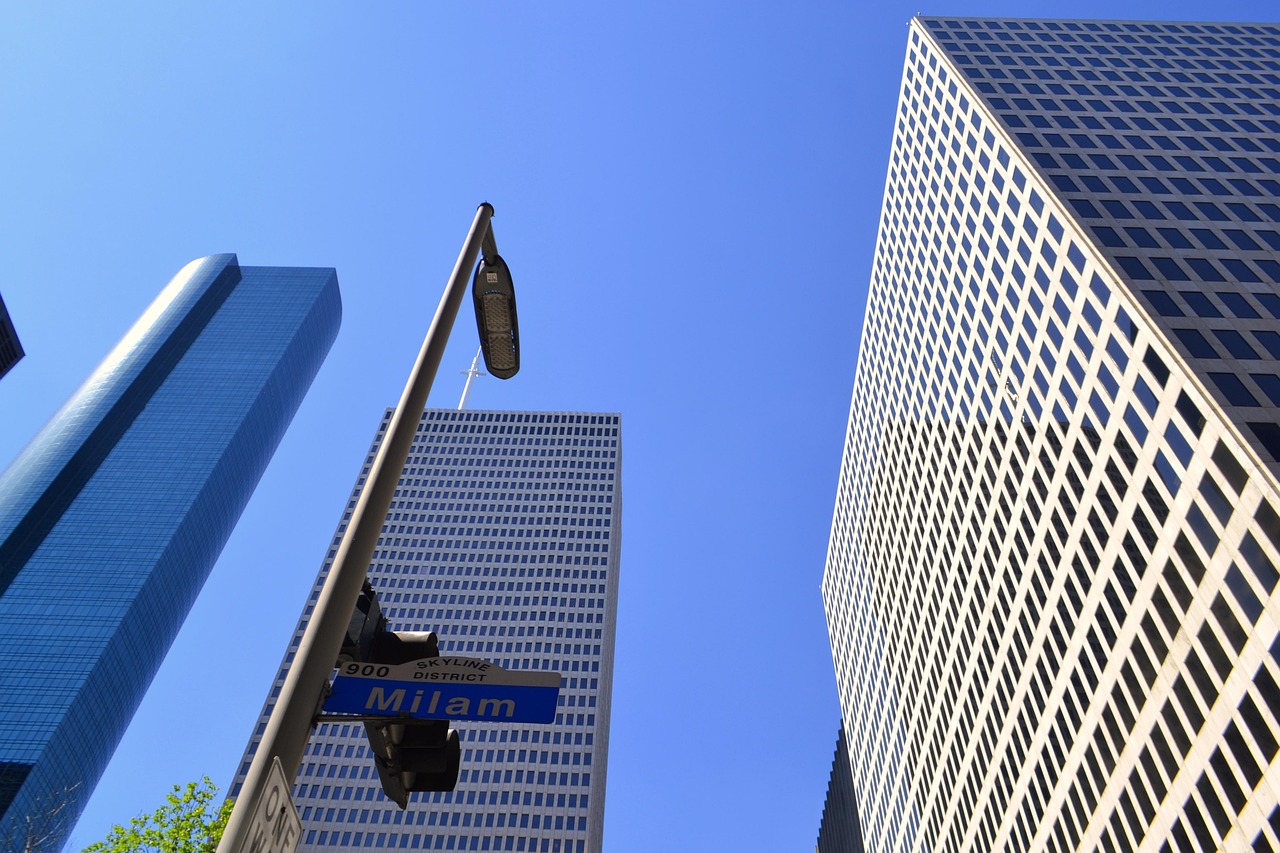
Solar Street Lights have emerged as a sustainable and effective solution for urban lighting, offering numerous benefits to communities worldwide. Understanding this technology involves grasping its core principles and the advantages it brings. At its essence, Solar Street Lights utilize solar energy, capturing sunlight during the day through photovoltaic (PV) panels and storing it in batteries for use at night. This self-sufficient approach eliminates the reliance on traditional electricity grids, making it an environmentally friendly option.
The process begins with the installation of high-efficiency PV panels on street poles or other suitable structures. These panels are designed to withstand various weather conditions and capture even low-light levels, ensuring optimal energy production throughout the year. The generated electricity powers LED lights, known for their longevity and energy efficiency. This system not only reduces carbon emissions but also offers significant cost savings compared to conventional lighting methods. Over time, many regions are seeing substantial reductions in maintenance costs and energy bills, making Solar Street Lights a financially viable option.
Choosing the right provider is crucial. Look for companies that specialize in solar lighting solutions, offering customizable designs tailored to specific needs. Assess their experience, track record, and customer feedback. Additionally, understanding the installation process is essential. It involves site assessment, panel placement, wiring, and light fixture setup. Properly designed systems should be able to provide adequate lighting levels while optimizing energy capture. To qualify for Solar Street Lights, communities often need to meet certain criteria related to energy consumption, budget allocation, and local regulations. Consulting with experts early in the process can help navigate these requirements efficiently.
While Solar Street Lights offer many advantages, there are considerations to avoid potential pitfalls. Poorly designed systems might struggle to provide consistent lighting during cloudy or overcast days. Additionally, initial installation costs can be high, making it crucial to balance short-term expenses with long-term savings. Alternatives exist in the form of conventional lighting or other renewable options like wind or kinetic energy-powered lights. However, Solar Street Lights stand out due to their independence from external power sources and minimal environmental impact. Costing anywhere from $500 to $1500 per light, depending on specifications, they represent a significant investment but one that can yield substantial returns through reduced utility expenses and community benefits.
Choosing and Installing Your Solar Street Light System

Choosing and installing a solar street light system is a multifaceted process that requires careful consideration of various factors. First, let's address the duration of installation, which typically ranges from a few hours to a day, depending on the system's complexity and the site's preparation. This efficient process involves mounting the panels, connecting the lighting fixtures, and ensuring proper wiring.
Selecting the right solar street light provider is crucial. Look for companies with a proven track record, offering products certified to international standards. Ask for case studies and references to understand their expertise. The provider should also offer ongoing support and maintenance services to ensure your system operates optimally over its lifespan. During the selection process, inquire about the product's specifications, including its wattage, lighting output, and battery capacity, to ensure it meets your area's illumination needs.
The solar street light process involves several key steps. It begins with site assessment to determine the optimal panel placement and lighting configuration. Then, the system is designed and installed, followed by programming and testing to ensure it operates as intended. After installation, regular maintenance checks are essential to keep the system functioning efficiently and prolong its lifespan. While solar street lights offer significant cost savings and environmental benefits, it's important to consider alternatives like traditional street lights, especially in areas with limited sunlight exposure or where extreme weather conditions prevail.
The cost of solar street lights varies based on system size, quality, and brand. On average, the upfront investment can range from $500 to $2,000 per light, but the long-term savings on energy bills make them a worthwhile investment. To maximize returns, consider factors like local regulations, which may offer incentives or grants for adopting renewable energy solutions. Before committing, ask yourself if you truly need solar street lights. Signs include rising energy costs, remote or poorly lit areas, and a commitment to sustainability. If these apply, solar street lights could be the ideal solution, offering not just illumination but also a greener future.
Maintaining and Maximizing the Lifespan of Solar Street Lights

Maintaining and maximizing the lifespan of solar street lights involves a multifaceted approach that ensures these energy-efficient solutions remain effective for years to come. The process begins with careful selection of a reputable solar street light provider. Key factors to consider include the manufacturer's reputation, product quality, and warranty coverage. Reputable providers offer products designed to withstand harsh environmental conditions and incorporate advanced technologies for optimal performance.
Once installed, regular maintenance is crucial. This includes cleaning the panels to ensure they receive maximum sunlight exposure and inspecting the lights for any signs of damage or malfunctioning. Many providers offer maintenance contracts that include routine checks and repairs, which can prolong the lifespan of the lights significantly. The solar charging process involves capturing sunlight during the day and converting it into energy stored in batteries, ensuring overnight illumination. Efficient solar panels and high-capacity batteries are essential to minimize charging time and maximize light output.
To qualify for optimal performance, solar street lights require specific conditions. These include adequate sunlight exposure, typically at least 5-6 hours per day, and minimal shading from trees or structures. It's important to note that while solar street lights offer substantial cost savings over traditional options, they do involve an initial investment. However, the long-term benefits, such as reduced maintenance costs and lower energy bills, make them a worthwhile choice. For instance, a study by the U.S. Department of Energy found that solar street lights can save up to 80% on lighting costs compared to conventional systems.
When considering if you actually need solar street lights, look for signs like frequent power outages, high electricity bills, or poorly lit public areas. If these apply, solar street lights could be a game-changer. To ensure the best results, hire a professional to assess your location and choose the right system. Regularly ask questions like, "What is the expected lifespan of the lights?" and "How is the system's durability tested?" These inquiries will help you avoid common problems and make an informed decision. Ultimately, solar street lights offer a sustainable, cost-effective solution to public lighting, enhancing safety and community aesthetics.
Frequently Asked Questions About Solar Street Lights
What are solar street lights? Solar street lights are lighting fixtures that utilize renewable energy from the sun, stored in rechargeable batteries, to power LED lamps. They are designed for outdoor use and are often used as an alternative to conventional electric lighting for public streets, roads, parking lots, and other urban areas. These lights are equipped with photovoltaic panels that capture sunlight during the day and convert it into electricity, ensuring a sustainable and eco-friendly lighting solution.
How do solar street lights work? Solar street lights operate on a simple principle: they absorb sunlight through their solar panels, which convert the light into electrical energy. This energy is stored in batteries until needed, typically at night. The stored energy then powers LED bulbs, providing illumination without the need for connection to the traditional power grid. The system includes various components like solar panels, batteries, controllers, and lights, all working together to ensure efficient and autonomous lighting.
What are the benefits of using solar street lights? Solar street lights offer numerous advantages over conventional lighting systems: they are environmentally friendly, reducing carbon emissions and energy costs; they require minimal maintenance, leading to long-term savings; and they are highly versatile, suitable for remote areas without access to grid electricity. Additionally, these lights can be easily installed, reduced light pollution, and improved safety by providing clear visibility during the night.
Are solar street lights cost-effective? Absolutely! While the initial installation cost may be higher than traditional street lights, solar panels have a long lifespan and require minimal replacement or maintenance. The energy savings over time can lead to significant cost reductions for municipalities and businesses. Moreover, many governments and organizations offer incentives and grants to promote the adoption of solar street lighting, making it an increasingly attractive and affordable option.
How do solar lights adapt to different weather conditions? Solar street lights are designed to withstand various weather conditions. The panels are typically built to be durable and water-resistant, ensuring they can operate efficiently in rain, snow, or extreme temperatures. Advanced models may include anti-frosting technology or heating elements to prevent buildup and maintain optimal performance in cold climates. Regular cleaning and maintenance, as recommended by the manufacturer, can further enhance their adaptability to different environmental conditions.
Can solar street lights be integrated with smart city systems? Absolutely! Solar street lights can play a significant role in smart cities by integrating with other connected devices and infrastructure. They can be equipped with sensors and IoT (Internet of Things) capabilities to monitor traffic flow, detect motion, or optimize lighting based on real-time data. This integration allows for efficient energy management, improved public safety, and enhanced urban planning, contributing to the overall development of smart city initiatives.
Are solar street lights safe for the environment? Solar street lights are an environmentally friendly option as they significantly reduce carbon emissions associated with traditional lighting systems. By relying on renewable energy from the sun, these lights contribute to a cleaner and more sustainable future. Moreover, they minimize light pollution, preserving night-time skies and benefiting local ecosystems that rely on natural darkness for various processes.
Solar Street Lights offer a sustainable and cost-effective solution for illuminating public spaces, with key benefits including reduced energy consumption, lower maintenance requirements, and minimal environmental impact. By understanding the core principles, choosing the right system, and implementing proper maintenance routines, communities can maximize the lifespan of these innovative technologies. This article has provided valuable insights on navigating the selection process, ensuring optimal performance, and appreciating the long-term value of Solar Street Lights as a forward-thinking and eco-conscious choice for urban lighting infrastructure.